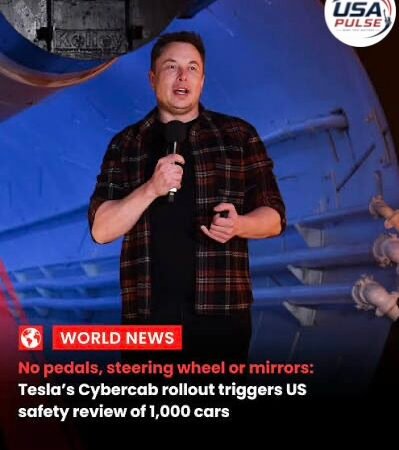
Tesla is facing new scrutiny from U.S. auto safety regulators over its futuristic Cybercab robotaxi as questions grow over how the autonomous vehicle was certified for use on public roads.
The National Highway Traffic Safety Administration has ordered Tesla to provide additional information about the Cybercab’s self-certification process.
Tesla has until September 30 to respond to the agency’s questions.
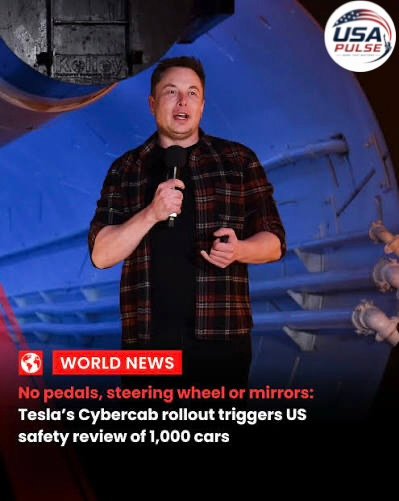
A Car Without a Steering Wheel or Pedals
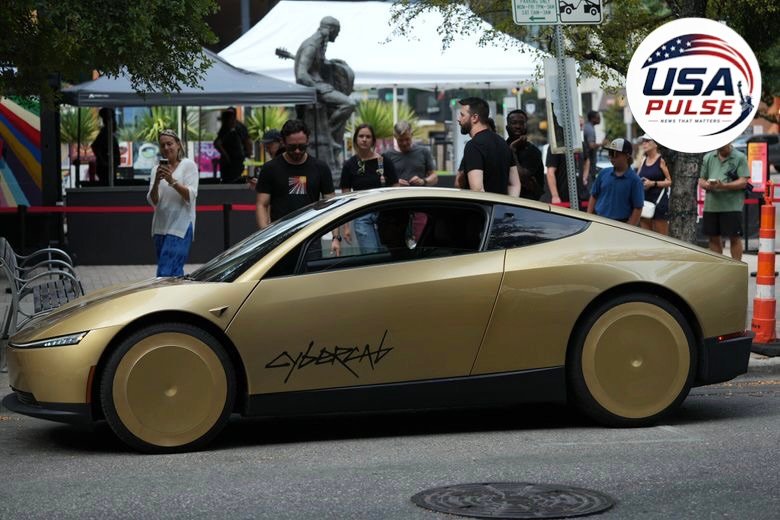
The Cybercab represents a major departure from traditional vehicle design.
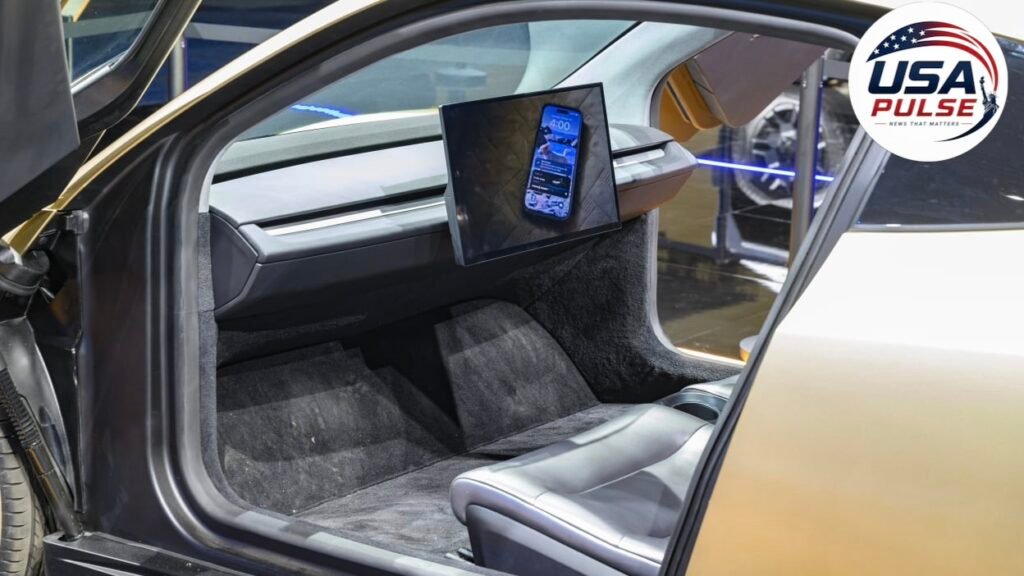
Tesla designed the two-seat autonomous vehicle to operate without conventional driver controls such as a steering wheel and pedals.
That unusual design has created new regulatory questions because existing federal vehicle safety standards were largely developed around cars controlled by human drivers.
What Does NHTSA Want to Know?
According to Reuters, NHTSA is asking Tesla whether temporarily installed human driver controls or other equipment were used as part of the company’s basis for certifying that the Cybercab complied with federal safety requirements.
The question could be important in determining whether the production configuration of the Cybercab meets existing U.S. vehicle standards.
The inquiry is part of an ongoing federal investigation into the vehicle’s self-certification.
Tesla Pushes Toward Autonomous Transportation
Tesla has placed autonomous driving at the center of its future strategy.
CEO Elon Musk has repeatedly promoted robotaxis and self-driving technology as a major part of Tesla’s long-term plans.
The Cybercab takes that strategy further by designing the vehicle around autonomous operation from the beginning rather than adapting a traditional passenger car.
But removing conventional controls also presents regulators with questions that have rarely existed in the American auto industry.
Why This Matters
The outcome could extend far beyond a single Tesla model.
If vehicles without traditional human controls become widespread, U.S. regulators may need to continue adapting safety standards originally written for conventional cars.
Tesla’s answers to NHTSA could therefore become an important test for how quickly fully autonomous vehicles can move from experimental technology toward everyday transportation in America.
For now, federal regulators want more information — and Tesla faces a September 30 deadline to provide it.
Sources: Reuters / NHTSA — September 2026