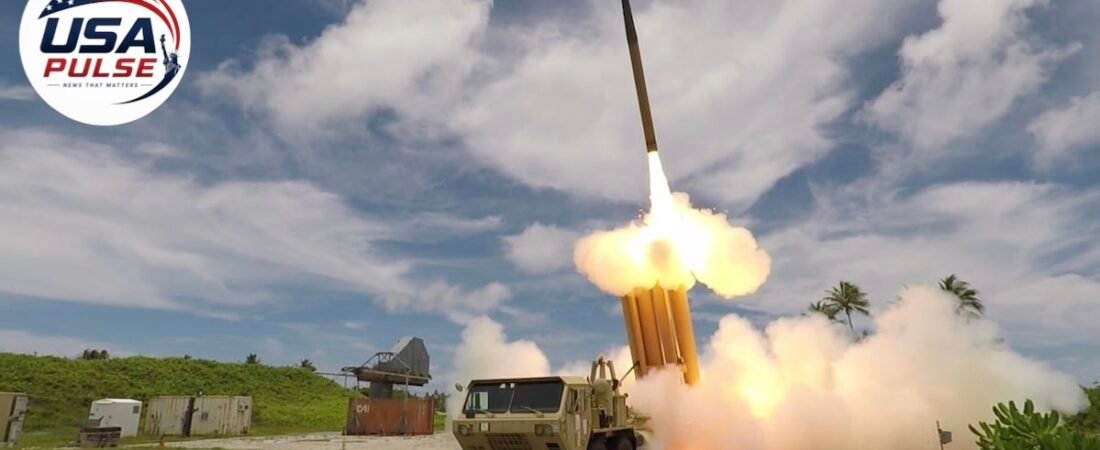
The U.S. military used dozens of its most advanced missile interceptors during a recent Iranian attack targeting American forces in Jordan, highlighting growing concerns about the strain the Iran war is placing on U.S. weapons stockpiles.
According to U.S. and regional officials cited by The Wall Street Journal, American forces fired approximately 60 to 70 Patriot interceptors against an Iranian attack involving around 20 ballistic missiles.
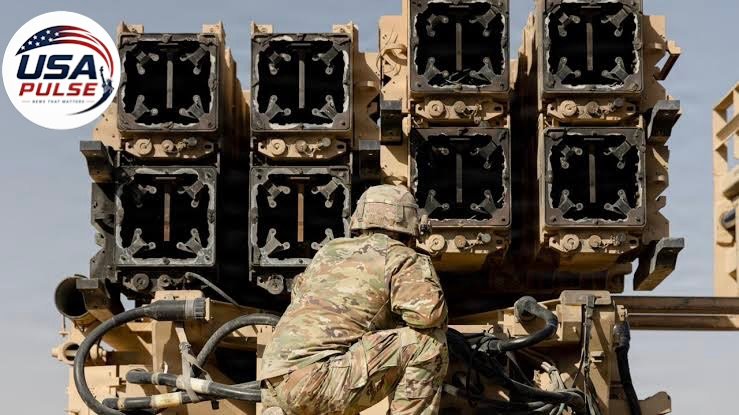
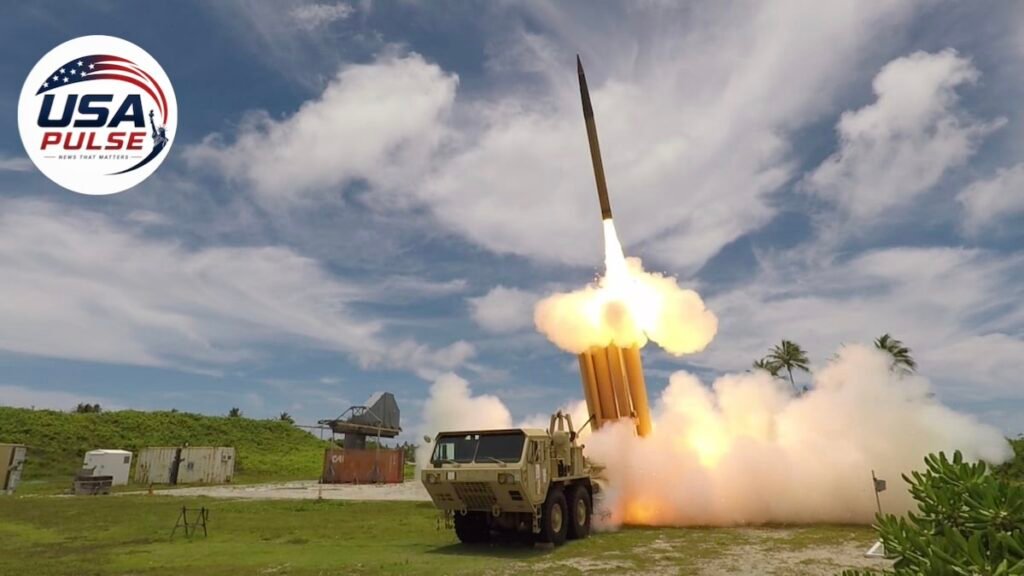
The U.S. also launched more than a dozen THAAD interceptors during the defense operation.
The number of interceptors used in the single attack was roughly comparable to what U.S. forces have expended during an entire week at other points in the conflict, according to the report.
Iran Tests U.S. Air Defenses
The Iranian attack targeted American forces at Muwaffaq Salti Air Base in Jordan.
Iran reportedly used warheads designed to separate into multiple projectiles as they approached their targets, making interception more difficult and forcing U.S. defenses to expend additional missiles.
Despite the large defensive response, some projectiles reportedly reached the base and damaged aircraft.
The confrontation demonstrates one of the central challenges facing modern missile-defense systems: an attacker can launch relatively small numbers of missiles while forcing defenders to expend significantly larger numbers of expensive interceptors.
U.S. Missile Stockpiles Under Pressure
The problem extends far beyond the latest attack.
The Wall Street Journal reports that by mid-July, the United States had already used approximately 1,700 Patriot interceptors and more than 200 THAAD interceptors during the Iran conflict.
U.S. Navy ships had also fired approximately 150 Standard Missile interceptors against Iranian missiles and drones.
The Congressional Budget Office has separately warned that depleted U.S. munitions inventories could take years to rebuild.
The CBO estimates that replenishing key missile stocks could take approximately five years, raising concerns about American readiness for another major conflict elsewhere in the world.
Pentagon Says U.S. Remains Ready
Pentagon and military officials have pushed back against suggestions that the United States is unable to defend itself.
Adm. Brad Cooper, commander of U.S. Central Command, said this week that he was not concerned about interceptor shortages and that American forces remained prepared for potential contingencies.
The White House has also said the U.S. military has sufficient munitions to meet President Donald Trump’s strategic objectives.
However, congressional assessments and independent reporting indicate that replenishing some weapons inventories could require significant time and money.
Production Is Being Expanded
Washington has already begun taking steps to increase production.
The U.S. recently signed a deal worth more than $3 billion with Lockheed Martin and Northrop Grumman to increase production of components used in Patriot and THAAD interceptors.
The Army has also awarded Lockheed Martin a contract worth up to $58.6 billion for additional Patriot interceptor production.
Those investments underline how important missile-defense ammunition has become as the United States attempts to maintain its defenses in the Middle East while preserving enough weapons for potential crises elsewhere.
Why This Matters for America
The issue is larger than the cost of a single Iranian attack.
Every Patriot or THAAD interceptor fired must eventually be replaced, while manufacturing sophisticated missile-defense weapons can take significantly longer than launching them.
That creates difficult decisions for Pentagon planners who must maintain sufficient weapons for U.S. forces in the Middle East while preparing for potential threats in Europe and the Indo-Pacific.
With the Iran conflict continuing, America’s ability to manufacture and replenish advanced missiles is becoming an increasingly important part of the war.
Sources: The Wall Street Journal, Reuters — September 16, 2026