The United States and Iran have held their first shuttle talks in months, opening a new diplomatic channel as both sides explore whether negotiations could help bring an end to the ongoing Middle East conflict.
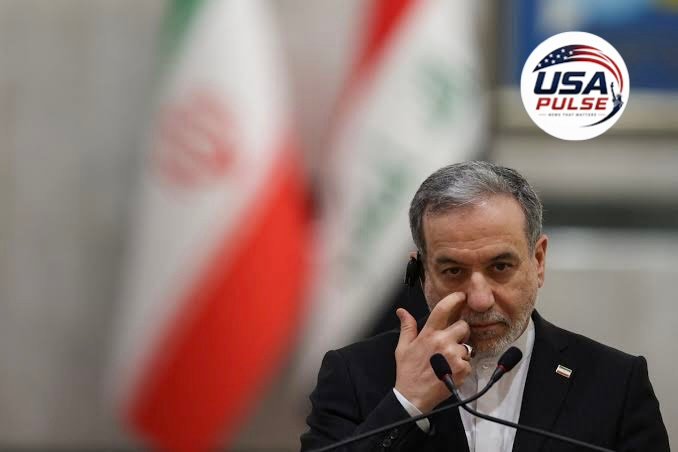
Iranian Foreign Minister Abbas Araqchi and U.S. envoys Steve Witkoff and Jared Kushner communicated through mediators on the sidelines of the United Nations General Assembly in New York, according to Reuters.
The contacts mark the first such talks since an interim ceasefire agreement collapsed in July.
No agreement has been announced, and neither Washington nor Tehran has indicated that its fundamental positions have changed.
First Shuttle Talks in Months
The discussions took place through mediators rather than a direct face-to-face negotiating session.
Iran confirmed that Qatar played a mediating role in New York.
Iranian Foreign Ministry spokesperson Esmail Baghaei said Tehran communicated its conditions through the Qatari mediator, including an end to fighting on all fronts and an end to what Iran describes as U.S. “acts of aggression.”
The United States has not announced that it accepted those conditions.
Witkoff and Kushner Represent the U.S.
Special envoy Steve Witkoff and Jared Kushner were involved on the American side, while Foreign Minister Abbas Araqchi represented Iran.
The talks come after President Donald Trump said Tuesday that communication with Tehran was continuing and expressed confidence that the two countries could eventually reach a settlement.
Trump has simultaneously maintained that Iran cannot be allowed to obtain a nuclear weapon.
Major Differences Remain
The return of diplomatic communication is significant, but it does not mean a peace agreement is close.
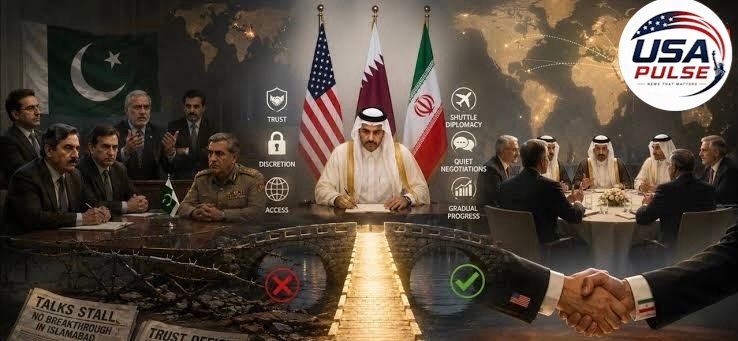
Washington and Tehran continue to have major disagreements over the war, Iran’s nuclear program, economic sanctions and military activity across the region.
Iran has also linked diplomacy to demands involving U.S. military pressure and restrictions affecting Iranian ports.
Neither side announced a breakthrough following the latest discussions.
Strait of Hormuz Could Be Critical
One of the biggest issues surrounding any potential agreement is the Strait of Hormuz.
The strategically important waterway is a major route for global energy shipments, and disruption associated with the conflict has created uncertainty across oil and shipping markets.
Iran has indicated that reopening the Strait could form part of a broader diplomatic arrangement if its conditions are met.
That means progress in U.S.–Iran negotiations could have consequences not only for the conflict but also for oil prices and global trade.
Diplomacy Returns to New York
The United Nations General Assembly has brought senior officials from both countries to New York, creating an opportunity for renewed diplomacy.
Iranian President Masoud Pezeshkian is also attending the gathering.
The latest contacts follow months of military escalation and failed attempts to establish a lasting settlement.
The fact that communication has resumed therefore represents a notable change, even though the positions of Washington and Tehran remain far apart.
What Happens Next?
The biggest question is whether the shuttle talks lead to another round of negotiations.
For now, there is no final ceasefire or peace agreement.
Further discussions would need to address difficult issues including the war itself, Iran’s nuclear program, sanctions, military activity and the future of shipping through the Strait of Hormuz.
The latest talks show that a diplomatic channel is open again.
Whether that channel produces a concrete agreement will depend on what Washington and Tehran are prepared to negotiate in the days ahead.