Saudi Arabia is receiving renewed support from regional allies as escalating Houthi attacks raise fears that the wider Middle East conflict could enter another dangerous phase.
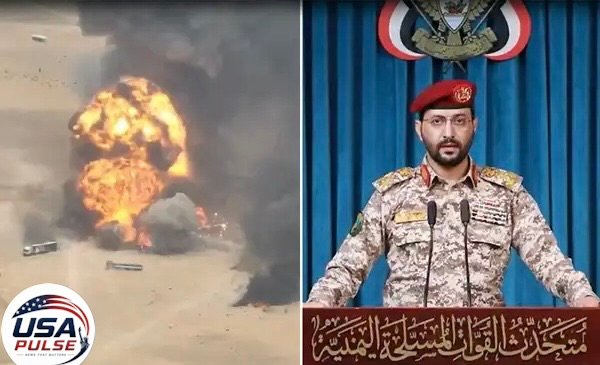
Military chiefs from Saudi Arabia, Turkey and Pakistan are expected to hold talks as Riyadh seeks support under a joint defense framework, according to Reuters.
The development follows a new wave of attacks by Yemen’s Iran-aligned Houthi movement, adding another layer of uncertainty to a region already dealing with the consequences of the U.S.–Iran conflict.
Saudi Arabia Faces Growing Security Pressure
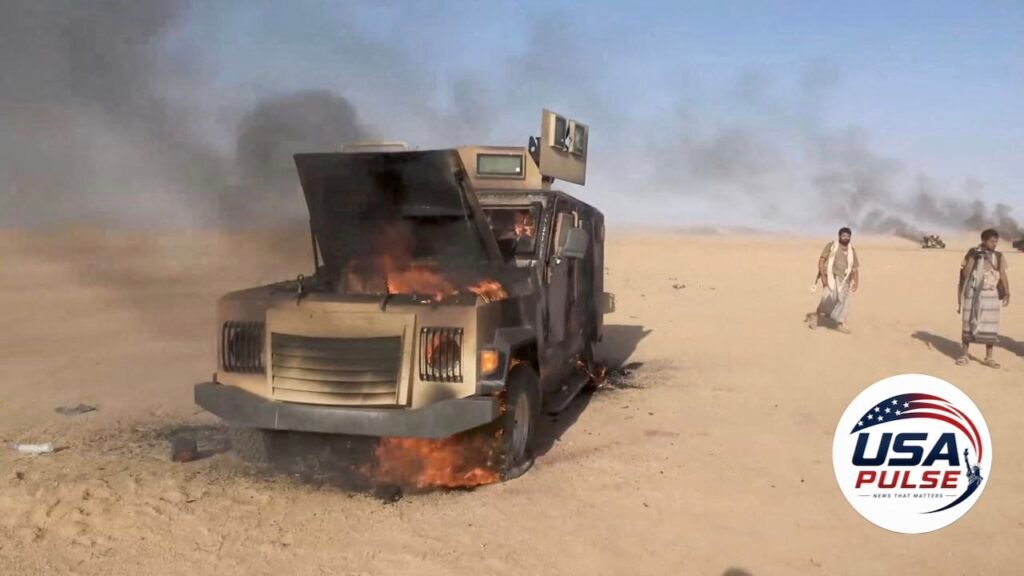
Saudi Arabia has come under increasing pressure as Houthi missile attacks intensify.
The latest escalation has prompted renewed coordination with regional partners as governments assess the risk of further strikes and potential threats to critical infrastructure.
Saudi Arabia is one of the world’s largest oil producers, meaning any serious escalation involving its energy infrastructure could have consequences far beyond the Middle East.
Turkey and Pakistan Enter the Spotlight
The expected military discussions involving Saudi Arabia, Turkey and Pakistan could become an important test of regional security cooperation.
For now, the talks should not be interpreted as confirmation that Turkey or Pakistan will enter the fighting directly.
Instead, officials are discussing how Saudi Arabia’s partners could support the kingdom as the security situation develops.
Oil Markets Are Watching Closely
The escalation comes at a particularly sensitive moment for global energy markets.
Oil prices have been reacting to two competing developments: hopes that U.S.–Iran diplomacy could eventually reduce tensions and concerns that continued attacks on energy infrastructure could disrupt supplies.
Any further escalation involving Saudi Arabia could quickly renew fears about the security of oil production and shipping routes across the region.
What Happens Next?
Attention will now turn to the military discussions and whether Saudi Arabia and its partners announce any concrete defensive measures.
At the same time, diplomatic efforts involving Washington and Tehran remain crucial.
Progress toward a U.S.–Iran agreement could reduce regional tensions, while additional Houthi attacks could make de-escalation considerably more difficult.
For now, the situation remains fluid, with both diplomatic negotiations and military developments capable of changing the outlook quickly.