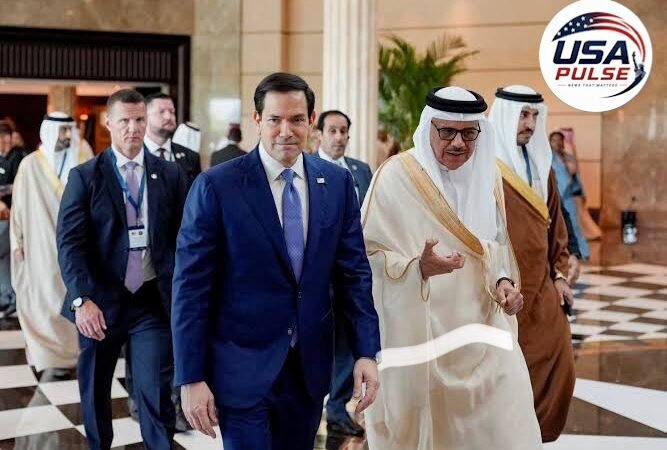
WASHINGTON — U.S. Secretary of State Marco Rubio ordered an Iranian delegation attending the United Nations General Assembly to leave the United States after diplomatic negotiations between Washington and Tehran reached a stalemate, according to U.S. officials cited by Axios.
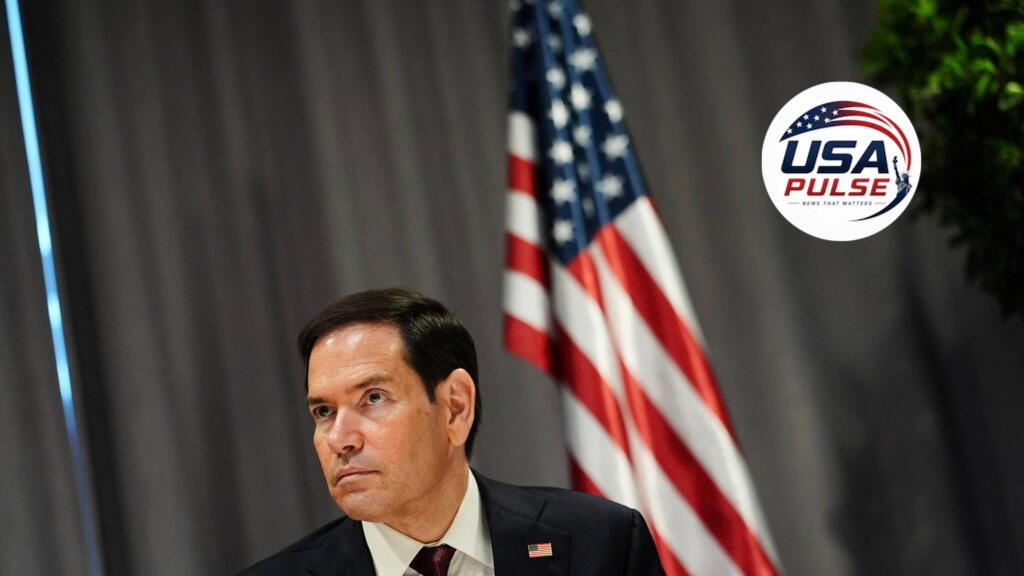
The unusually sharp diplomatic move comes at a critical moment in efforts to find a negotiated path toward ending the months-long U.S.–Iran conflict.
Although the Iranian delegation was already expected to leave the country following the conclusion of the U.N. General Assembly, Rubio’s directive represented a clear diplomatic rebuke as frustration grew over the lack of progress.
Talks Hit a Wall
U.S. officials had entered the latest round of diplomacy with hopes that mediators could narrow the differences between Washington and Tehran.
But according to Axios, those expectations faded as negotiations failed to produce a breakthrough.
A U.S. official said the Iranian delegation had “overstayed their welcome,” while Qatari mediators continued working with both sides in an effort to find a compromise.
The United States and Iran have largely relied on intermediaries rather than direct negotiations.
But Diplomacy Is Not Over
Despite the dramatic decision involving the Iranian delegation, there are signs that negotiations have not completely collapsed.
Iran has confirmed receiving an official U.S. response to its latest proposal for ending the conflict.
Reuters reported that Iranian Foreign Minister Abbas Araghchi received U.S. feedback through Qatari mediators on a proposed seven-day confidence-building plan.
The discussions reportedly include steps related to reopening the Strait of Hormuz and restoring normal maritime traffic.
One of the major disagreements concerns the sequence in which each side would take those steps.
Strait of Hormuz Remains at Center of Negotiations
The Strait of Hormuz remains one of the most important issues in the negotiations.
The strategic waterway is critical to global energy markets, and disruptions caused by the conflict have affected shipping and contributed to volatility in oil and gas markets.
Iran wants relief from U.S. economic pressure and restrictions, while Washington continues to demand concrete concessions, including measures related to Iran’s nuclear program.
Neither side has announced an agreement.
Pressure on Iran Continues
The diplomatic dispute comes as Washington continues increasing economic pressure on Tehran.
The U.S. recently imposed additional sanctions targeting individuals and companies accused of supporting Iran’s military procurement network.
Iran, meanwhile, is facing severe economic pressure, with its currency falling to record lows against the U.S. dollar.
The combination of sanctions, military conflict and disruptions to trade has increased the stakes surrounding the negotiations.
What Happens Next?
Qatar continues to act as a mediator between Washington and Tehran, meaning Rubio’s order does not necessarily mark the end of diplomacy.
Instead, it highlights how difficult the negotiations have become.
The coming days could determine whether the two sides can move toward a limited confidence-building agreement — or whether the diplomatic stalemate deepens further.
For global markets and American consumers, the outcome could also influence oil supplies, shipping through the Strait of Hormuz and future energy prices.