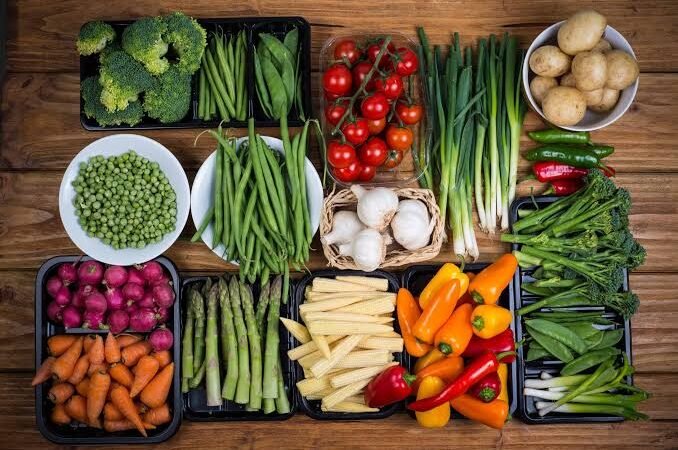
A structured nutrition program built around plant-based foods and additional dietary support helped participants lose more weight and improve aspects of their diet, according to a recent study published in The Journal of Nutrition.
The findings add to growing research examining how access to healthy foods combined with nutrition education and support may help people make lasting dietary changes.
What Did the Study Examine?
Researchers studied African American adults during a 12-week nutrition intervention.
Rather than looking at a single “superfood” or supplement, the research focused on a broader dietary approach involving plant-based meals and additional nutrition support.
Researchers tracked several health and nutrition measures, including body weight, diet quality and blood pressure.
The results suggested that providing structured nutrition support alongside healthy meals produced greater weight loss than providing meals alone.
Why Plant-Based Foods?
A plant-focused diet doesn’t necessarily mean eliminating every animal product.
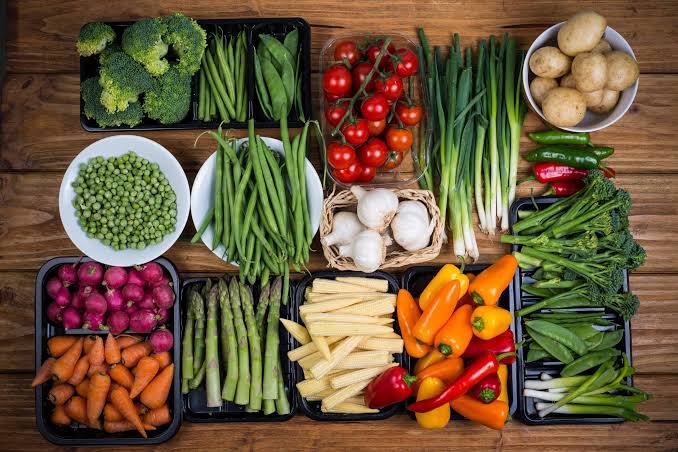
Instead, it generally emphasizes foods such as:
🥦 Vegetables
🍓 Fruits
🫘 Beans and legumes
🌾 Whole grains
🥜 Nuts and seeds
These foods can provide fiber, vitamins, minerals and other nutrients while helping reduce reliance on highly processed foods.
The American Heart Association’s dietary guidance similarly emphasizes vegetables, fruits, whole grains and healthy protein sources as part of a heart-healthy eating pattern.
Healthy Food May Not Be Enough on Its Own
One interesting part of the research is the role of additional nutrition support.
Simply giving people healthier food may help, but education and guidance can make it easier to understand how to incorporate those foods into everyday meals.
That could include learning how to build balanced meals, choosing healthier alternatives and developing eating habits that can be maintained over time.
The findings therefore support a broader idea: improving nutrition may require both access to healthy food and practical support for using it.
What About Weight Loss?
Participants receiving the more comprehensive intervention experienced greater weight loss than those receiving meals without the same level of additional nutrition support.
However, the study should not be interpreted as evidence that any single plant-based diet guarantees weight loss.
Body weight is influenced by total calorie intake, physical activity, sleep, medications, genetics and many other factors.
The study was also conducted in a specific population and over a relatively short 12-week period.
Longer and larger studies can help determine how well the results apply to other populations and whether the benefits continue over time.
A Simple Lesson for Everyday Eating
You don’t have to completely change your diet overnight to eat more plant-based foods.
Simple changes could include adding vegetables to lunch and dinner, replacing some refined grains with whole grains, eating fruit as a snack, or adding beans and lentils to meals.
The goal doesn’t have to be perfection.
Small dietary changes that can be maintained consistently may be more realistic than extremely restrictive diets.
The Bottom Line
The new study suggests that combining healthier plant-based meals with structured nutrition support may help improve diet quality and support weight loss.
It also highlights an important point: healthy eating is about more than one food or one short-term diet.
A sustainable eating pattern built around nutritious foods — together with appropriate guidance and healthy lifestyle habits — may be a more practical long-term approach.