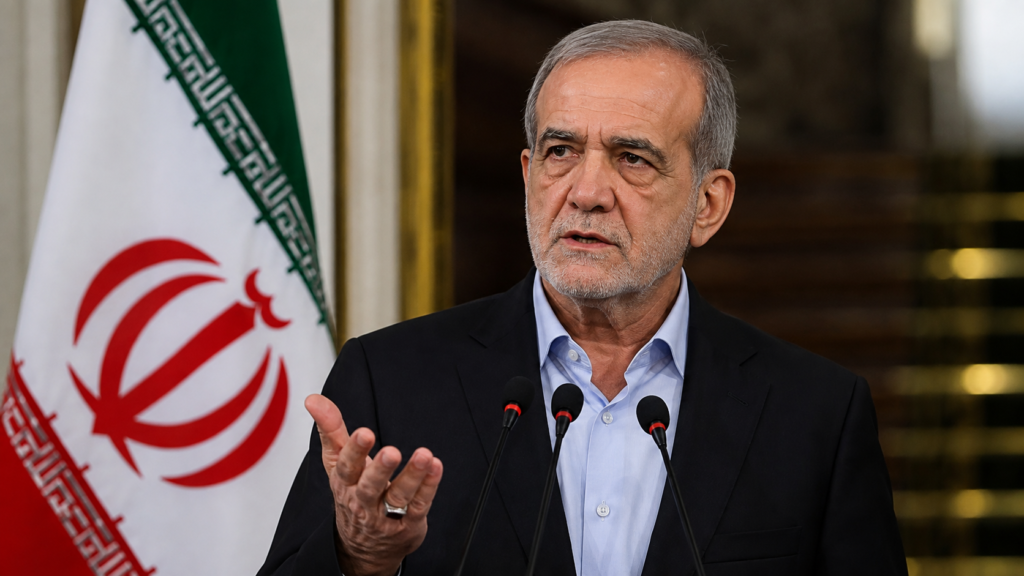
Iranian President Masoud Pezeshkian has signaled that Tehran still favors a negotiated solution with the United States, even as renewed military exchanges have raised fears of another major escalation in the Middle East.
His comments create a striking contrast: while U.S. and Iranian forces remain locked in confrontation, Iran’s president is publicly arguing that diplomacy remains the best way to bring the conflict to an end.
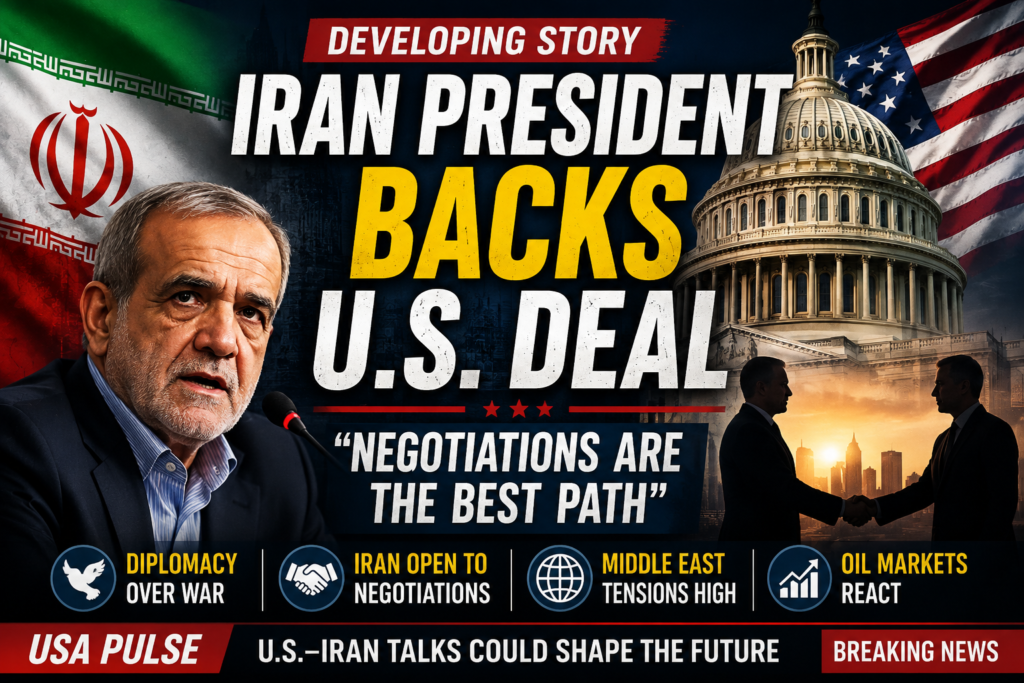
Iran Signals It Still Wants a Deal
Pezeshkian said during a conversation with Indian Prime Minister Narendra Modi that continuing the conflict is not in the interest of the countries involved and stressed the importance of resolving disputes through dialogue.
The statement suggests that at least part of Iran’s leadership wants to keep a diplomatic path open despite the fighting.
However, a willingness to negotiate does not mean an agreement is close. Major disagreements between Washington and Tehran remain unresolved, and tensions on the ground could complicate any attempt to restart serious negotiations.
Military Escalation Raises the Stakes
The diplomatic message comes against the backdrop of renewed confrontation between U.S. and Iranian forces.
That combination — military pressure alongside public calls for negotiations — makes the coming days particularly important.
Any additional attack could reduce the chances of diplomacy, while a pause in military operations could potentially create room for mediators to push both sides back toward negotiations.
Why It Matters for Americans
A prolonged conflict with Iran could have consequences far beyond the Middle East.
Continued fighting could place additional pressure on U.S. military resources, threaten American personnel stationed throughout the region and create new risks for international shipping and energy markets.
Instability around the Strait of Hormuz is particularly important because disruption to oil shipments through the region can contribute to higher global energy prices.
What Comes Next?
The biggest question is whether Washington and Tehran can turn public statements about diplomacy into actual negotiations.
For now, military tensions remain high and there is no guarantee that talks will resume.
But Pezeshkian’s latest message shows that despite the confrontation, the possibility of a negotiated end to the conflict has not disappeared.
USA Pulse will continue following developments between Washington and Tehran as both military and diplomatic pressure intensify.