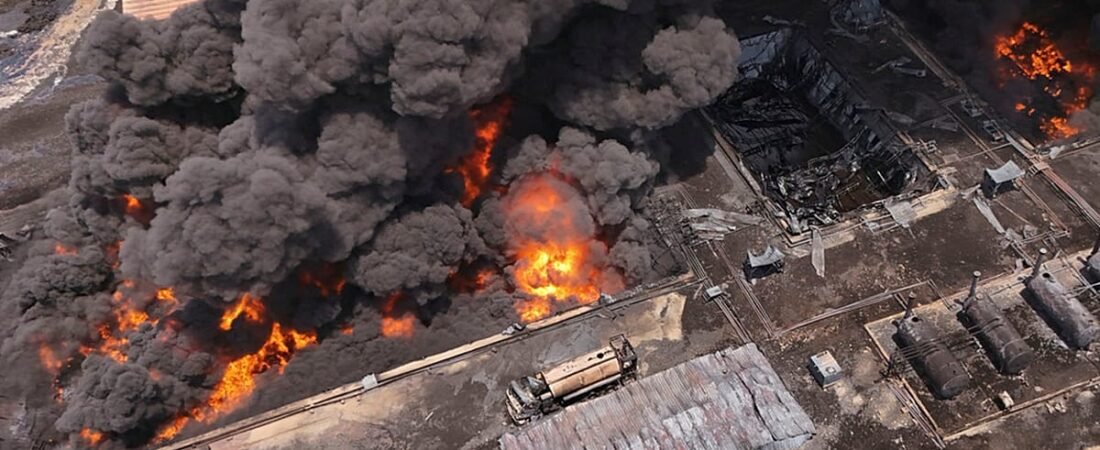
Iran has issued a new warning to the United States, saying American energy companies and facilities in the Gulf region could face retaliation if Washington launches further attacks against Iranian oil and gas assets.
Iranian Parliament Speaker Mohammad Bagher Ghalibaf delivered the warning Monday as tensions between Washington and Tehran continued to escalate across the Gulf.
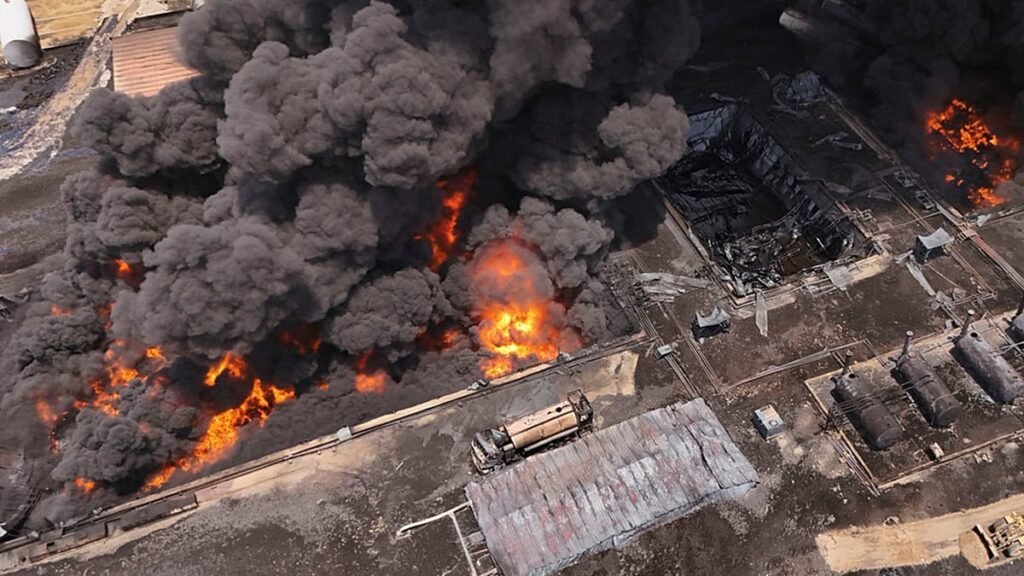
Ghalibaf argued that energy infrastructure throughout the region is vulnerable and warned that attacks on Iranian assets could trigger retaliatory strikes against American interests.
The warning follows threats from U.S. Defense Secretary Pete Hegseth that Iranian oil vessels could be destroyed if Iran continues targeting U.S. Navy ships.
Tensions Rise After Attacks at Sea
The latest exchange comes after U.S. forces struck and disabled three Iranian oil tankers over the weekend.
Washington said the operation came in response to Iranian ballistic missile attacks targeting two U.S. Navy warships in the region.
Iran has also announced plans to establish a new restricted zone near the Strait of Hormuz, further increasing concerns about the safety of commercial shipping through one of the world’s most important energy corridors.
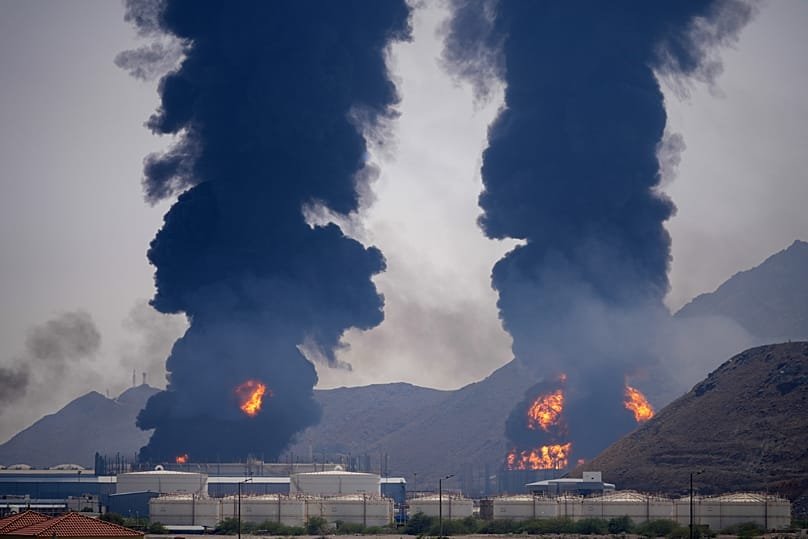
Shipping activity through the strait has already fallen sharply.
Recent shipping data showed that only two vessels crossed the waterway on Saturday and six on Sunday. The 10-day moving average fell to around 10 vessels per day.
Before the conflict began, approximately 125 large commodity vessels passed through the strait each day.
Why This Matters for the United States
A direct threat against American energy interests adds another dangerous dimension to the U.S.–Iran confrontation.
Any attack on major oil or gas infrastructure in the Gulf could disrupt global energy supplies, push crude prices higher and increase pressure on gasoline and transportation costs.
The Strait of Hormuz is especially important because a significant share of the world’s oil supply normally passes through the narrow waterway.
Energy markets have already been shaken by reduced shipping and uncertainty surrounding the conflict.
The biggest question now is whether the latest warnings remain part of an escalating war of words or lead to additional attacks on energy infrastructure.
Any further escalation involving U.S. energy interests could have consequences far beyond the Middle East, including for American consumers, financial markets and global oil prices.
USA Pulse will continue following developments as the situation unfolds.