Surging oil prices driven by the continuing Middle East conflict are creating a new economic challenge for the United States, with financial markets now overwhelmingly expecting the Federal Reserve to raise interest rates this week.
Oil prices climbed again Tuesday as attacks on Saudi energy infrastructure and severe disruption around the Strait of Hormuz intensified fears about global supplies.
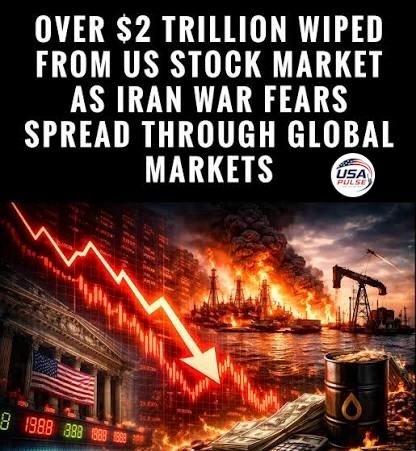
At the same time, U.S. Treasury yields have surged and the dollar has strengthened as investors prepare for the possibility of the first Federal Reserve interest-rate increase in more than three years.
Markets See a Fed Rate Hike as Nearly Certain
According to Reuters, financial markets are pricing in roughly a 93% probability that the Federal Reserve will raise interest rates on Wednesday.
If it happens, it would mark the Fed’s first rate increase in more than three years.
The dramatic shift in expectations comes as higher energy prices increase concerns that inflation could accelerate again.
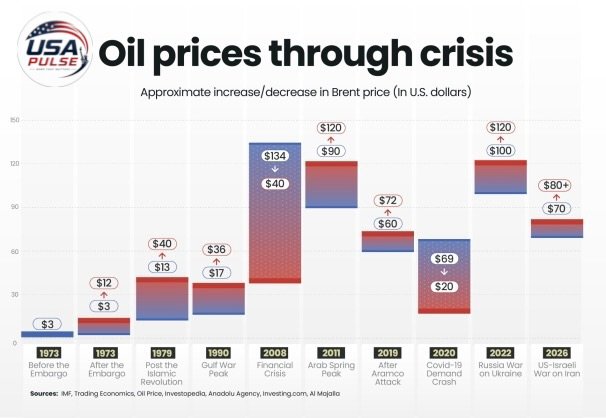
Oil Remains Above $100
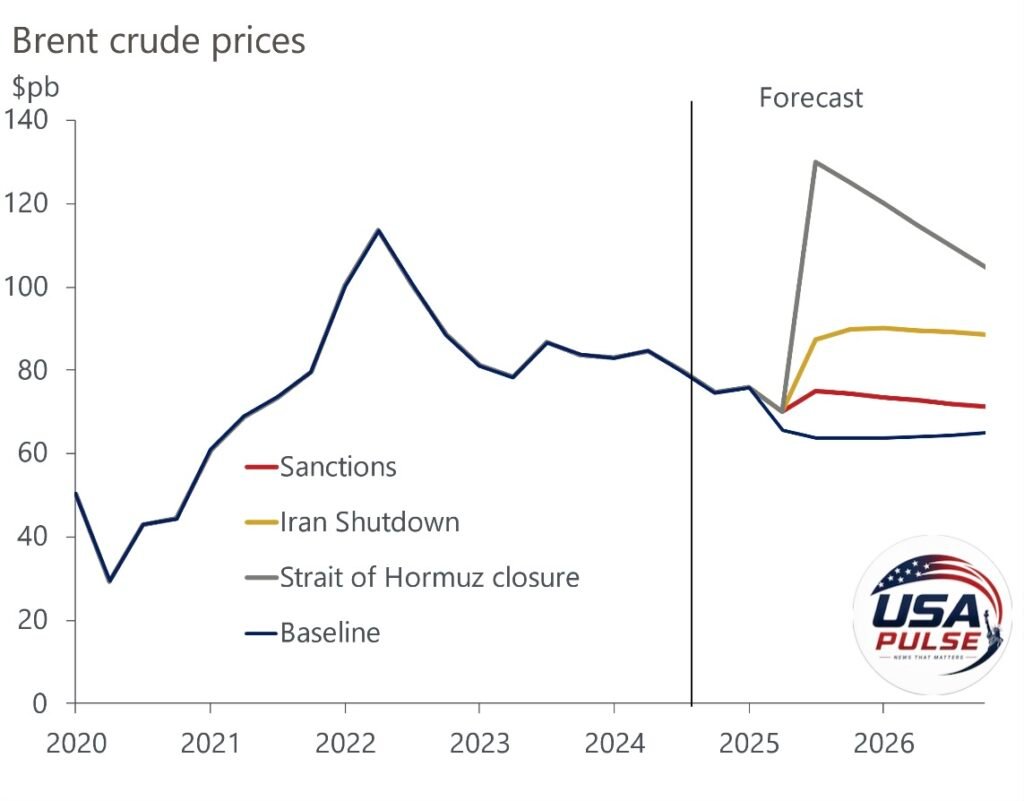
Brent crude traded around $107 per barrel early Tuesday, while U.S. West Texas Intermediate crude was around $103 per barrel.
Oil markets remain under pressure after attacks disrupted Saudi Arabia’s crucial East-West Pipeline.
The pipeline has recently been used to move roughly 4 million barrels of oil per day toward the Red Sea, allowing Saudi exports to bypass the heavily disrupted Strait of Hormuz.
A prolonged shutdown could therefore remove a significant amount of oil from the global market.
U.S. Treasury Yield Breaks 5%
The oil shock is also affecting American bond markets.
The benchmark 10-year U.S. Treasury yield has climbed above 5%, reaching levels not seen since 2023.
Higher Treasury yields can influence borrowing costs across the economy, including mortgages, business loans and other forms of credit.
Why the Iran Conflict Matters for Americans
The economic consequences of the conflict are increasingly reaching American households.
Higher crude prices can translate into more expensive gasoline and diesel, while increased transportation and production costs can contribute to broader inflation.
If inflation remains elevated, the Federal Reserve may be forced to maintain higher interest rates for longer.
That means a conflict thousands of miles away could increasingly affect how much Americans pay for fuel, loans and everyday goods.
All Eyes on the Federal Reserve
Investors will now closely watch the Federal Reserve’s next decision.
A rate hike would demonstrate just how dramatically the energy crisis has changed the U.S. economic outlook.
The biggest question is what happens next.
If Middle East oil supplies remain disrupted and crude prices continue rising, pressure on inflation — and on American consumers — could become even stronger.