Tensions between the United States and Iran have entered another dangerous phase as Tehran threatens what it calls “economic warfare,” while attacks linked to the conflict are spreading across the Gulf.
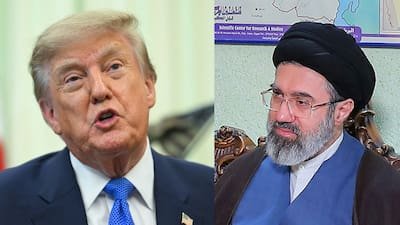
Iranian security official Mohsen Rezaei warned Tuesday that U.S. economic pressure would be met with a new maritime exclusion zone in the Persian Gulf. He also said Iran’s military posture toward U.S. warships and bases had been fundamentally changed.
The warning comes only days after U.S. forces struck three Iranian oil tankers following Iranian ballistic missile attacks targeting two U.S. Navy ships.
Iran-Backed Houthis Strike Saudi Arabia
The regional situation intensified further Tuesday when Iran-backed Houthi forces attacked energy facilities and cities in Saudi Arabia, a key U.S. ally.
According to Saudi authorities, 73 people were wounded in the attacks. Fires were reported at energy facilities as emergency crews worked to contain the damage.
The attacks raise concerns that the U.S.–Iran confrontation could expand into a broader regional conflict involving American allies and critical energy infrastructure.
Strait of Hormuz Traffic Falls
Shipping through the Strait of Hormuz — one of the world’s most important oil and gas routes — has also slowed dramatically.
Kpler data cited by Reuters showed that only seven commodity vessels crossed the strait on Monday.
Before the conflict, roughly one-fifth of global oil and liquefied natural gas shipments passed through the strategic waterway.
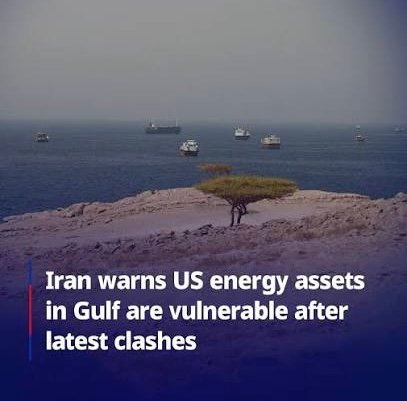
Iran has warned that Gulf energy infrastructure, including U.S.-linked oil and gas interests, could be vulnerable if Washington carries out additional attacks.
Oil Prices Rise as Fears Grow
Global energy markets are already reacting.
Brent crude climbed toward $98 per barrel Tuesday as concerns grew that prolonged fighting could further restrict oil supplies from the Persian Gulf.
Analysts now warn that disruptions could continue into 2027 if the confrontation remains unresolved.
The latest escalation shows that the U.S.–Iran conflict is increasingly moving beyond direct military exchanges and threatening energy supplies, shipping routes and economies across the region.
With Iran threatening economic retaliation and attacks spreading to Saudi Arabia, the risk of a wider Middle East confrontation remains high.