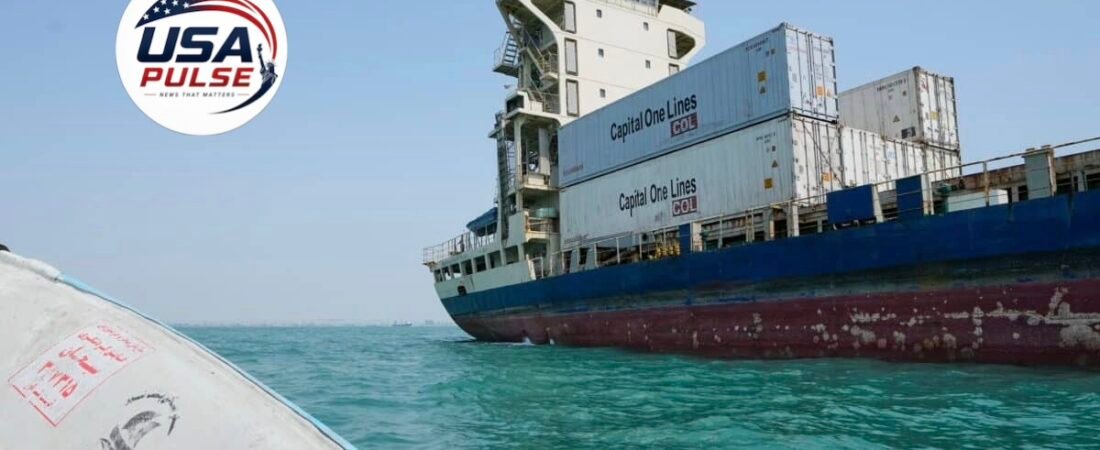
Iran says it could reopen the Strait of Hormuz within seven days if the United States takes steps to ease military pressure and lifts its blockade on Iranian ports, potentially creating a new opening for diplomacy between Washington and Tehran.
A senior Iranian government official told Reuters on Tuesday that Tehran is prepared to discuss details of an agreement to end hostilities through mediators in New York, where world leaders are gathering for the United Nations General Assembly.
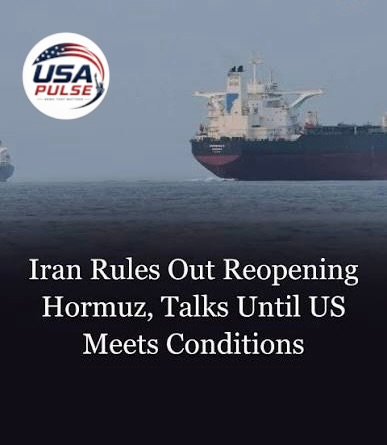
The proposal comes after months of conflict and severe disruption to one of the world’s most important energy shipping routes.
Iran Sets Conditions for Reopening Hormuz
According to the Iranian official, Washington would first need to formally signal that it wants to resolve the conflict diplomatically and agree on a timeline for how negotiations would proceed.
Iran says its delegation at the United Nations General Assembly has full authority to pursue renewed diplomacy with the United States.
The official said Tehran’s proposal was delivered to the U.S. through mediators on September 16.
Iranian President Masoud Pezeshkian is also traveling to New York for the UN gathering, although the Iranian official said he is not currently expected to meet President Donald Trump at UN headquarters.
Oil Prices React
The possibility of reopening Hormuz quickly caught the attention of global energy markets.
Oil prices fell around 1% Tuesday following reports of Iran’s proposal, as traders considered the possibility that more oil and liquefied natural gas could eventually begin moving through the waterway again.
Before the conflict began in late February, approximately one-fifth of global oil and LNG supplies passed through the Strait of Hormuz.
Shipping Has Fallen Dramatically
Traffic through Hormuz remains severely disrupted.
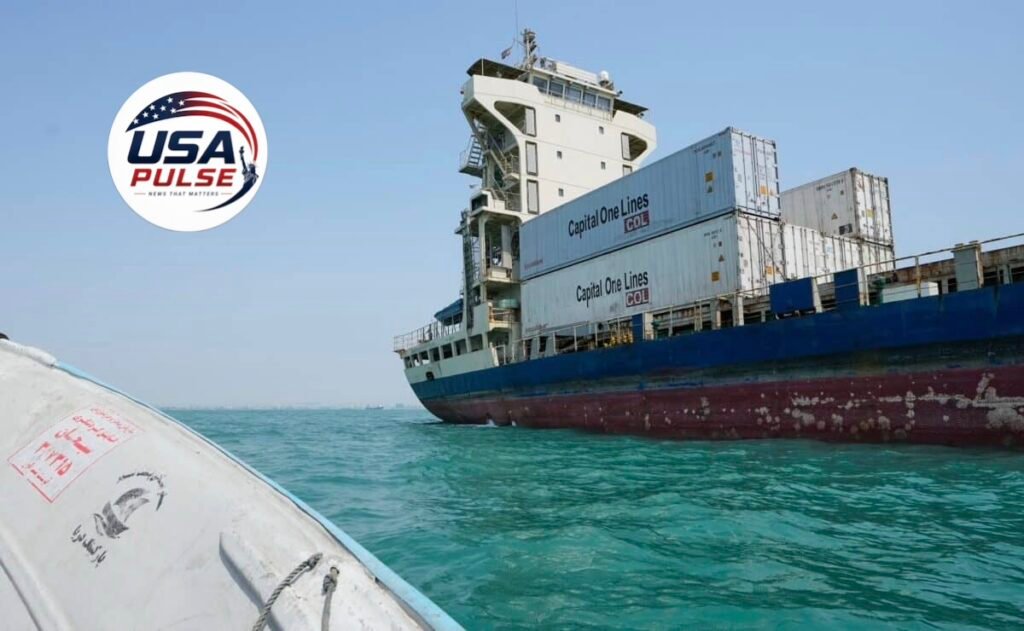
Preliminary shipping data showed that only two commercial vessels crossed the strait on Monday, compared with roughly 125 large commercial vessels per day before the conflict.
Those numbers may not capture every vessel because some ships can travel with their tracking transponders switched off.
The enormous difference highlights why reopening the waterway could have consequences far beyond Iran and the United States.
Could Diplomacy Be Returning?
The latest proposal does not mean an agreement has been reached.
Significant disagreements remain between Washington and Tehran, and Iran has tied reopening Hormuz to concrete actions from the United States.
Still, the proposal creates a possible diplomatic path at a moment when tensions remain high and global energy markets continue to feel the effects of the conflict.
With U.S. and Iranian officials in New York during the UN General Assembly, the coming days could be critical for determining whether the two sides move toward negotiations or another period of escalation.
Could reopening the Strait of Hormuz become the first step toward a broader U.S.–Iran agreement?