TEHRAN/WASHINGTON — Iran says it has received an official U.S. response to its latest proposal aimed at easing the months-long conflict, marking a potentially important new stage in diplomatic efforts between Washington and Tehran.
Iranian Foreign Minister Abbas Araghchi received the U.S. feedback through Qatari mediators and briefed President Masoud Pezeshkian and other senior officials.
The details of Washington’s response have not been made public.
Seven-Day Plan at Center of Negotiations
The negotiations center on Iran’s proposed seven-day confidence-building plan.
The proposal includes steps toward reopening the Strait of Hormuz and restoring normal maritime traffic through one of the world’s most important energy routes.
Iran’s original proposal also included conditions involving U.S. sanctions and restrictions on Iranian ports, while nuclear negotiations remain part of the broader diplomatic dispute.
President Donald Trump previously rejected Iran’s original proposal publicly, but Qatar has continued shuttle diplomacy between the two sides.
One Major Issue Is Still Blocking Progress
According to Reuters, the biggest sticking point in the latest discussions is the sequence of actions.
In other words, Washington and Tehran remain divided over which side should take the first steps.
That issue is critical because both governments want guarantees before making concessions.
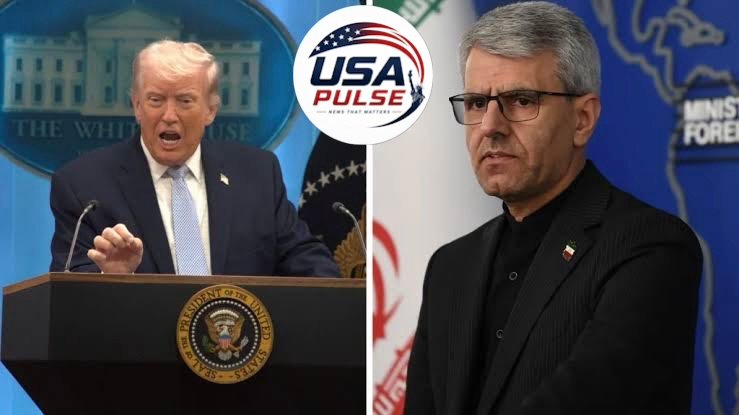
Despite the disagreement, the exchange of an official U.S. response indicates that diplomatic communication remains active.
Strait of Hormuz Remains Critical
The outcome could have consequences far beyond Iran and the United States.
The Strait of Hormuz is a crucial route for global oil and natural-gas shipments, and disruptions to maritime traffic have contributed to volatility in global energy markets.
Restoring normal shipping through the waterway could therefore become one of the most important elements of any agreement.
But no agreement to fully reopen the strait has been announced.
U.S. Pressure Continues
Washington is maintaining pressure on Tehran while negotiations continue.
The United States recently announced additional sanctions targeting individuals and entities accused of helping Iran’s military procurement network.
Iran’s economy is also under severe pressure after months of conflict, sanctions and trade disruptions.
The combination of diplomatic negotiations and continued economic pressure shows that Washington is pursuing multiple approaches simultaneously.
What Happens Next?
Qatar is expected to continue mediating between Washington and Tehran as both sides consider their next moves.
The fact that Iran has now received a formal U.S. response keeps the diplomatic process alive — but major disagreements remain.
There is still no confirmed ceasefire or final agreement.
The next round of negotiations could determine whether the two sides move toward a limited confidence-building arrangement or return to greater confrontation.
For global markets, the biggest questions remain the future of the Strait of Hormuz, oil supplies and whether Washington and Tehran can prevent another escalation.