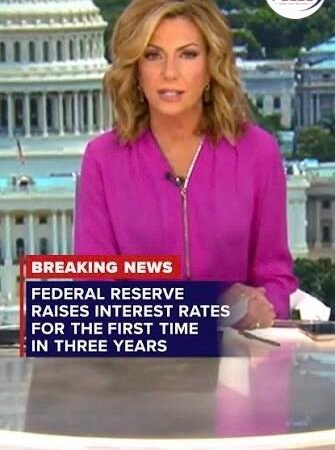
The Federal Reserve has raised U.S. interest rates for the first time in three years, marking a major shift as policymakers confront persistent inflation and economic pressure intensified by the war with Iran.
The Fed increased its benchmark interest rate by 0.25 percentage points, bringing the target range to 3.75%–4.00%.
The decision was unanimous.
First Rate Hike Since 2023
The move represents a significant change for American monetary policy.
After years of battling inflation and eventually moving toward lower rates, the Federal Reserve is once again tightening financial conditions.
Persistent inflation has become a major concern for policymakers, particularly as higher energy costs ripple through the U.S. economy.
The conflict with Iran, which began in late February, has contributed to sharp increases in oil and fuel prices.
Iran War Adds New Inflation Pressure
The economic consequences of the Middle East conflict are increasingly being felt far beyond the battlefield.
Disruptions to oil production, pipelines and shipping routes have helped push global energy prices sharply higher.
Brent crude remained above $100 per barrel on Thursday, while U.S. West Texas Intermediate was also trading above $100.
Higher energy costs can eventually affect everything from transportation and airline tickets to manufacturing and grocery prices.
What Higher Rates Mean for Americans
Higher interest rates can help slow inflation by reducing borrowing and spending.
But they also come with a cost for consumers.
Interest rates influence borrowing costs across the economy, potentially affecting:
- Mortgages
- Auto loans
- Credit cards
- Business loans
- Other forms of consumer borrowing
That means the Fed’s battle against inflation can translate into higher financing costs for millions of Americans.
More Rate Hikes Could Follow
Federal Reserve Chair Kevin Warsh indicated that additional increases could be necessary if inflation remains too high.
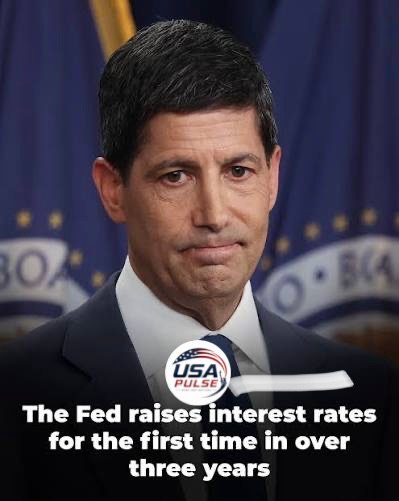
Financial markets are now considering the possibility of another rate increase later in 2026.
The Fed’s next decisions will depend heavily on incoming inflation, employment and economic-growth data.
Oil Prices Remain Above $100
There was some relief in energy markets Thursday.
Brent crude fell to around $104 a barrel, while U.S. WTI dropped to approximately $101 as concerns about immediate supply disruptions eased.
Saudi Arabia has been working to maintain crude exports through alternative routes following disruptions to regional infrastructure.
However, oil remains expensive compared with levels before the latest escalation.
Iran War Is Becoming an Economic Story at Home
For Americans, the consequences of the conflict are increasingly showing up outside traditional foreign-policy and military discussions.
Energy prices, inflation, borrowing costs and Federal Reserve policy are becoming interconnected with developments in the Middle East.
If oil prices remain elevated and inflation stays persistent, the economic effects of the Iran war could continue influencing household budgets and financial markets in the months ahead.
For millions of Americans, the next major impact of the conflict may not come from the battlefield — but from the price of fuel, borrowing money and everyday goods.
Sources: Reuters — September 17, 2026