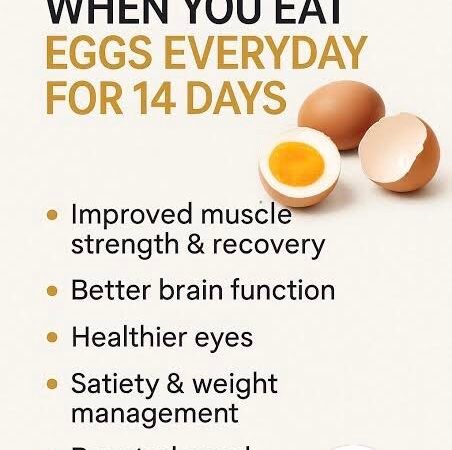
Eggs are one of the most popular breakfast foods in America — affordable, easy to prepare and packed with nutrients.

But one question continues to divide people: Is it actually healthy to eat eggs every day?
For years, eggs were criticized because of their cholesterol content. More recent nutrition research has painted a more complicated picture, suggesting that for many healthy people, moderate egg consumption can fit into a balanced diet.
Here’s what eating eggs regularly may do to your body.
1. You Get a Powerful Protein Boost
One large egg contains roughly 6 grams of protein.
Protein helps maintain muscle, supports recovery and can help you feel full for longer after eating.
Eggs are also considered a complete protein because they contain all nine essential amino acids the body needs from food.
That makes them particularly useful at breakfast, when many people otherwise eat meals dominated by refined carbohydrates.
2. Eggs Provide Important Nutrients
Eggs contain much more than protein.
They provide nutrients including vitamin B12, selenium, vitamin D and choline.
Choline is particularly important for the brain, nervous system and normal cell function.

Egg yolks also contain lutein and zeaxanthin, antioxidants associated with eye health.
3. They Could Help Control Hunger
Starting the day with a protein-rich meal can help some people stay satisfied longer.
Because eggs combine protein and fat, they may be more filling than breakfasts built mainly around sugary cereals, pastries or refined carbohydrates.
That doesn’t automatically cause weight loss, but feeling satisfied may make it easier for some people to manage their overall food intake.
4. But What About Cholesterol?
This is where the egg debate becomes more complicated.
Egg yolks contain dietary cholesterol, but dietary cholesterol does not affect everyone in exactly the same way.
For many healthy adults, eggs can be included as part of a heart-healthy eating pattern.
However, what you eat with them also matters.
Eggs served with vegetables, whole grains or other nutrient-rich foods create a very different overall meal from eggs regularly accompanied by large amounts of bacon, sausage, butter and highly processed foods.
5. Your Overall Diet Matters More
No single food determines whether your diet is healthy.
Someone eating eggs as part of a diet rich in vegetables, fruit, whole grains, legumes and other nutritious foods may have a very different health profile from someone whose overall diet is dominated by highly processed foods.
Preparation matters too.
Boiled, poached or lightly cooked eggs can be incorporated without adding large amounts of saturated fat.
So, Can You Eat Eggs Every Day?
For many healthy adults, moderate egg consumption can be part of a nutritious diet.
But individual needs differ.
People with high cholesterol, cardiovascular disease, diabetes or other medical conditions may receive different dietary advice from their doctor or registered dietitian.
The bigger lesson isn’t that eggs are a miracle food — or something everyone needs to avoid.
It’s that your entire eating pattern matters far more than one ingredient on your breakfast plate.