The United States and Iran are facing another critical moment as Qatar intensifies diplomatic efforts to find a path toward ending the seven-month conflict.
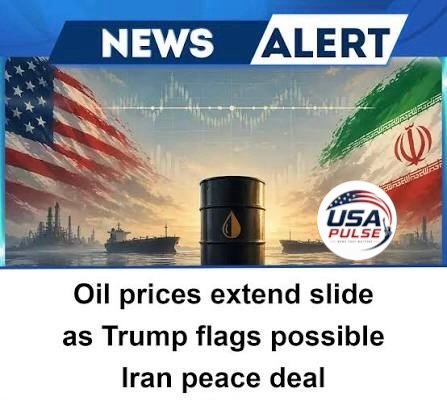
U.S. and Iranian officials have recently held separate discussions with Qatari mediators, but a breakthrough has yet to emerge.
At the same time, President Donald Trump has denied reports that Washington is prepared to ease sanctions on Tehran, adding new uncertainty to negotiations.
Qatar Pushes for a Deal
Qatar has again emerged as a key mediator between Washington and Tehran.
Officials are attempting to establish common ground that could eventually lead to an agreement and reduce tensions across the Middle East.
One of the biggest issues remains the Strait of Hormuz, the strategic waterway that handled roughly one-fifth of global oil and liquefied natural gas flows before the conflict began.
Iran has proposed arrangements that could lead to the reopening of the strait, but significant disagreements between Washington and Tehran remain.
Trump Says Iran Sanctions Will Not Be Eased
President Trump pushed back against reports suggesting the United States could offer sanctions relief to Iran.
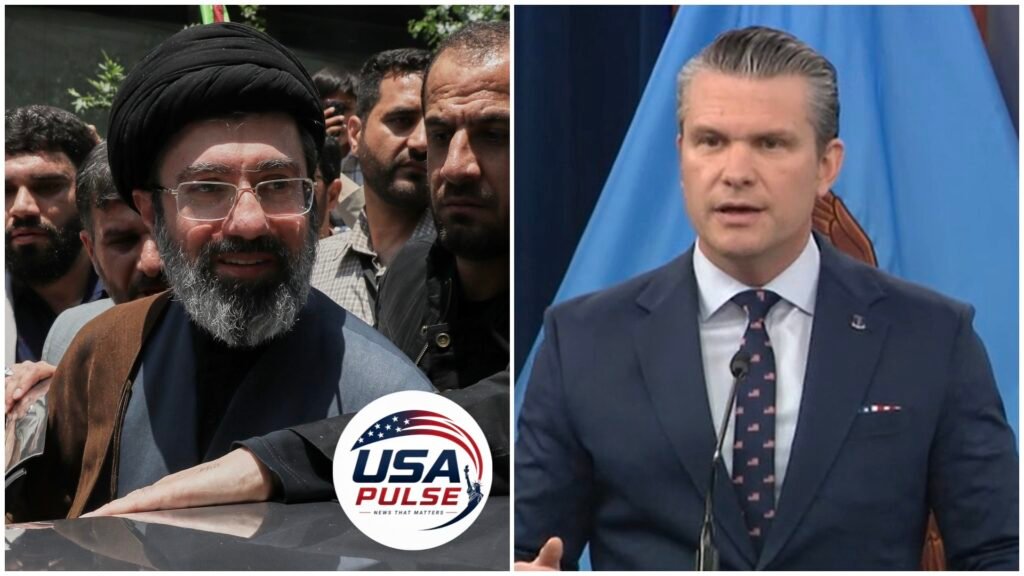
His comments came as diplomatic efforts continued behind the scenes.
Washington has maintained that Iran must not obtain a nuclear weapon, while Tehran has pushed for concessions as part of a broader agreement.
Previous rounds of negotiations have produced temporary ceasefires, but the two sides have yet to reach a lasting settlement.
Oil Climbs Back Above $103
Global energy markets are reacting closely to every development.
Brent crude rose to around $103.73 per barrel early Wednesday, while U.S. West Texas Intermediate crude traded around $89.72.
Brent is heading toward a monthly gain of roughly 14%, according to Reuters.
The continuing uncertainty surrounding the Strait of Hormuz remains one of the biggest risks for global energy markets.
U.S. Forces Complete Iraq Withdrawal
Another major development is unfolding in Iraq.
Remaining U.S. forces are completing their withdrawal from bases in the country under an agreement originally reached in 2024.
Iran has portrayed the American departure as a victory for its regional strategy, while U.S. forces are being repositioned as Washington continues operations against Islamic State militants elsewhere in the region.
The withdrawal adds another dimension to an already rapidly changing balance of power across the Middle East.
What Happens Next?
Attention is now focused on Qatar’s diplomatic effort.
A breakthrough that restores normal shipping through the Strait of Hormuz could ease pressure on global energy markets.
But without an agreement, continued military tensions and restrictions on shipping could keep oil markets volatile.
For Americans, the consequences extend beyond foreign policy.
Oil prices, gasoline costs, inflation and the broader economy could all be affected by what happens next between Washington and Tehran.