Diplomatic efforts between the United States and Iran are continuing, but the two sides remain divided over key conditions for ending their months-long conflict.
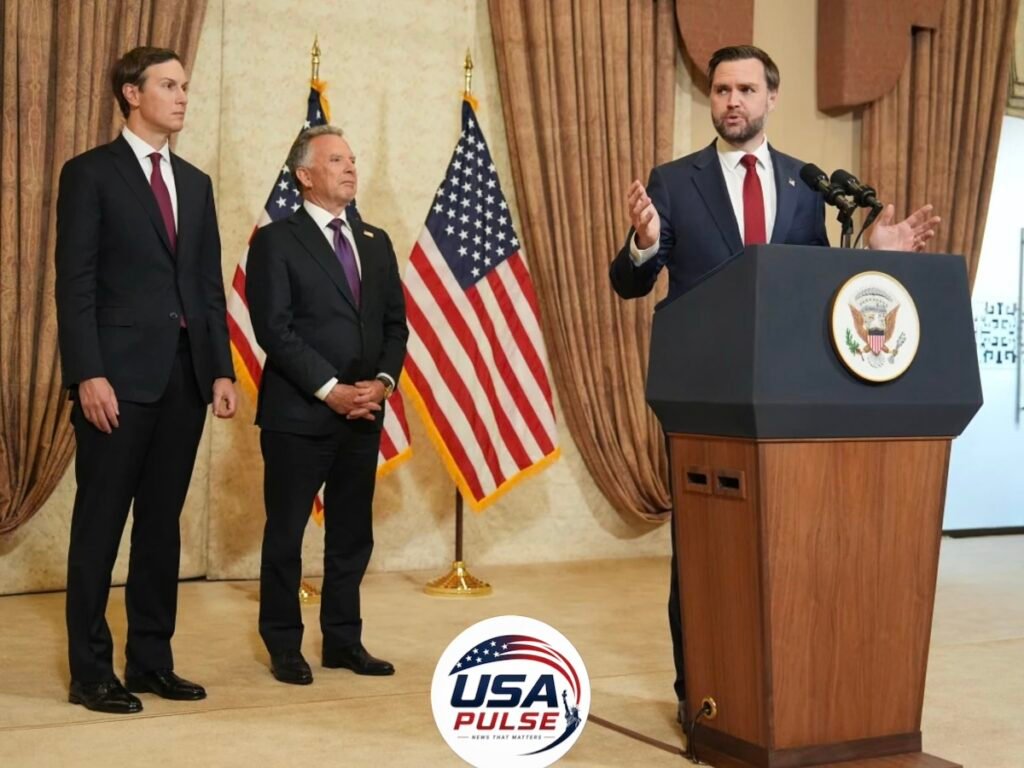
A senior Iranian official told Reuters that Tehran is reviewing Washington’s response to Iranian peace proposals, while stressing that diplomacy should continue despite the major differences between the two governments.
Iran’s proposal places particular emphasis on lifting the U.S. naval blockade on Iranian ports and reopening the Strait of Hormuz — one of the world’s most important energy shipping routes.
The latest diplomatic contacts follow renewed exchanges between the two sides around the United Nations General Assembly in New York.
Iranian President Masoud Pezeshkian has publicly insisted that Tehran will not surrender to U.S. pressure, while Iranian officials have simultaneously kept the possibility of negotiations open.
For Washington and Tehran, the Strait of Hormuz remains one of the central issues. Before the conflict, the waterway carried a major share of the world’s oil and liquefied natural gas shipments.
Markets are watching the negotiations closely because any agreement that restores safer commercial shipping through Hormuz could have significant consequences for global energy supplies and oil prices.
For now, however, there is no confirmed breakthrough.
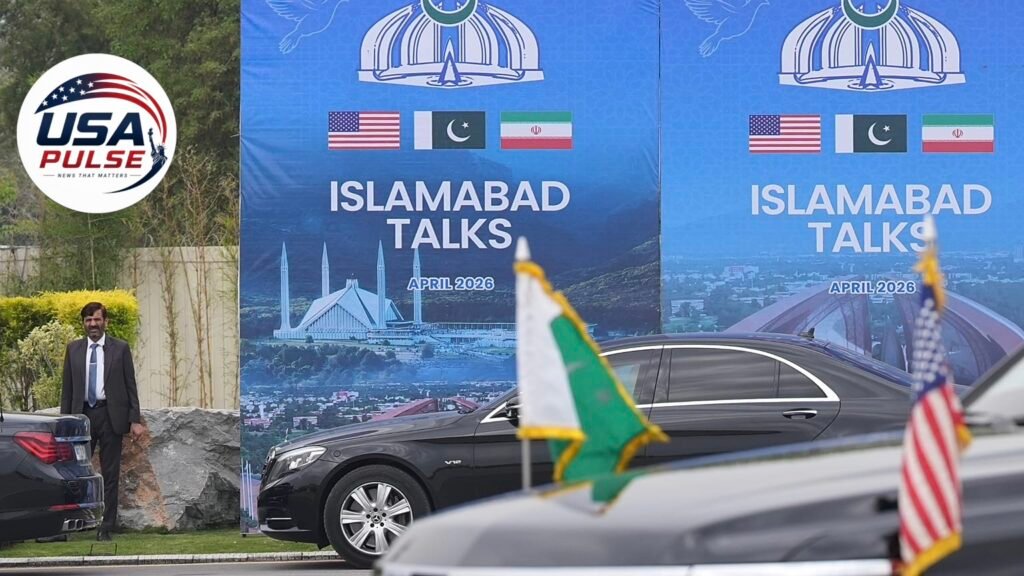
Both sides continue diplomatic contacts, but major disagreements remain over the terms required to end the conflict.