American farmers are facing record-high diesel prices at one of the most important times of the year, raising concerns that higher transportation and production costs could eventually reach consumers at the grocery store.
The average U.S. retail diesel price reached $6.29 per gallon as of September 14, according to the U.S. Energy Information Administration. That is roughly 68% higher than a year earlier.
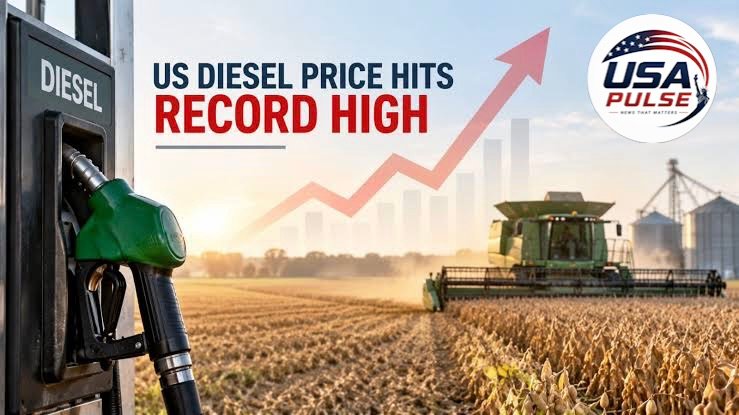
The surge is hitting farmers particularly hard during the fall harvest, when combines, tractors and trucks consume large amounts of fuel.
Farmers Face Thousands of Dollars in Fuel Costs
Farmers across major agricultural states are reporting sharply higher operating expenses.
In South Dakota, corn, soybean and cattle farmer Drew Peterson told Reuters that fueling just one combine could cost as much as $1,500 per day this harvest season — roughly twice what he spent last year.
For farmers, reducing fuel use during harvest is extremely difficult. Crops still need to be harvested and transported regardless of the price of diesel.
The increase comes on top of other expenses farmers already face, including fertilizer, seeds, machinery and transportation.
Why Are Diesel Prices So High?
According to the U.S. Energy Information Administration, tight global supplies of distillate fuels combined with elevated crude oil prices and high refining margins have pushed diesel prices higher.
Global energy markets have also been disrupted by conflicts affecting major oil-producing and refining regions.
U.S. diesel supplies are expected to remain unusually tight. The EIA forecasts U.S. distillate inventories will remain below recent historical levels through the end of 2026 and much of 2027.
Could Grocery Prices Rise?
The impact could extend far beyond farms.
Diesel powers much of the transportation network responsible for moving food and other goods across the United States. Higher fuel costs can increase the expense of trucking agricultural products from farms to processors, warehouses and supermarkets.
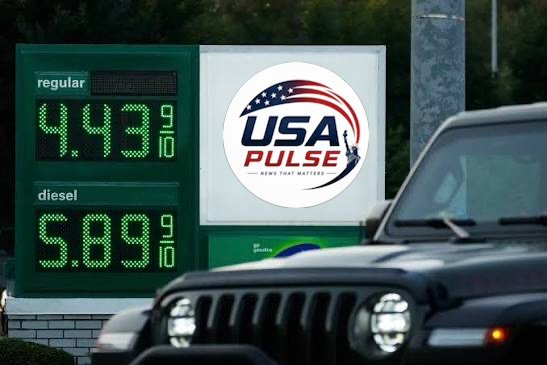
Products requiring refrigerated transportation — including meat, dairy products and fresh produce — can be particularly sensitive to higher transportation costs.
That does not mean every grocery item will immediately become more expensive, but prolonged high diesel prices create additional inflationary pressure throughout the food supply chain.
With the harvest season underway and diesel prices at record levels, farmers, transportation companies and American consumers will be watching closely to see how long the fuel crunch lasts.
Sources: Reuters, U.S. Energy Information Administration (EIA)