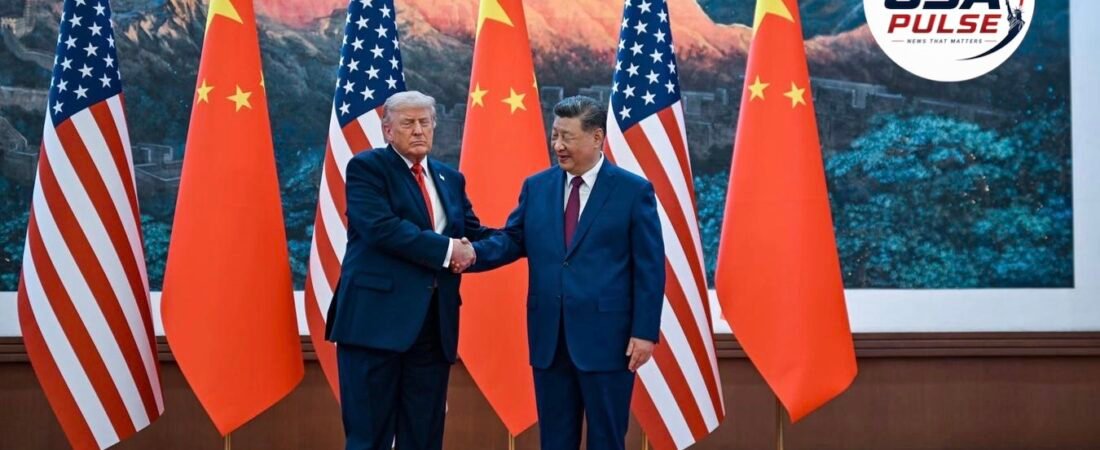
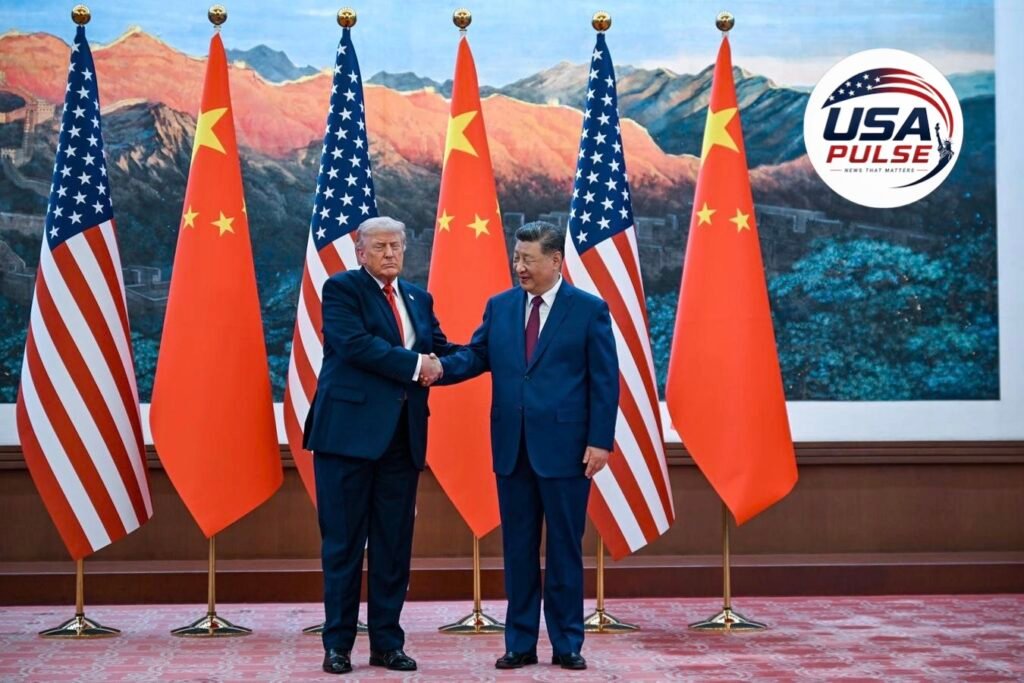
President Donald Trump is preparing to host Chinese President Xi Jinping in Washington next week, with some of the biggest economic issues between the United States and China expected to be on the table.
Agriculture, energy, tariffs, sanctions and rare earth minerals are among the major issues likely to feature in the discussions.
One key area is American agriculture.
China has historically been one of the biggest overseas markets for U.S. farm products, particularly soybeans. Reuters reports that Beijing is currently on track to meet a commitment cited by the White House to purchase 25 million metric tons of U.S. soybeans annually through 2028.
Energy could become another major bargaining point.
Chinese imports of U.S. oil and gas largely stopped after Beijing imposed tariffs, but potential tariff reductions could open the door to renewed purchases of American crude oil and liquefied natural gas.
Rare earth minerals are also expected to remain a major issue.
China dominates the global supply chain for many of these critical materials, which are essential for industries ranging from electronics and electric vehicles to aerospace and advanced technology.
Despite improved flows of some materials, Reuters reports that U.S. companies in sensitive industries such as aerospace and semiconductor manufacturing continue to face difficulties securing access.
Iran and Russia could also enter the conversation through sanctions policy, as China remains an important buyer of crude connected to both countries.
The upcoming Trump–Xi meeting could therefore have consequences far beyond Washington and Beijing, potentially affecting American farmers, energy companies, technology manufacturers and global commodity markets.
Exactly what agreements, if any, will emerge from the summit remains uncertain.