American car buyers are increasingly turning to hybrid vehicles as higher gasoline prices make fuel economy a bigger priority.
But one of America’s largest automakers is largely missing from the trend.

General Motors has invested heavily in fully electric vehicles while offering very few hybrid options in the U.S., leaving competitors such as Toyota and Honda in a stronger position as hybrid demand surges.
Hybrids Reach 19% of U.S. Retail Sales
According to Reuters, hybrid vehicles accounted for approximately 19% of U.S. retail vehicle sales in August 2026, up from around 16% in the months before the Iran war began.
In May, hybrids reached approximately 20% of retail sales — roughly one in every five vehicles sold.
Higher gasoline prices have helped accelerate the shift as drivers look for vehicles that can reduce fuel consumption without requiring them to switch completely to an EV.
Toyota and Honda Benefit
Toyota has spent decades developing hybrid technology, beginning with vehicles such as the Prius.
Today, hybrids are available across many of Toyota’s most popular models, including the RAV4.
Honda has also benefited from strong demand for vehicles such as the hybrid CR-V.
Toyota said electrified vehicles — primarily hybrids along with EVs — represented more than half of its U.S. sales during the first half of 2026.
GM Took a Different Route
General Motors chose a different strategy.
Instead of building a broad lineup of conventional hybrids, GM invested heavily in fully electric vehicles while continuing to rely on profitable gasoline-powered trucks and SUVs.
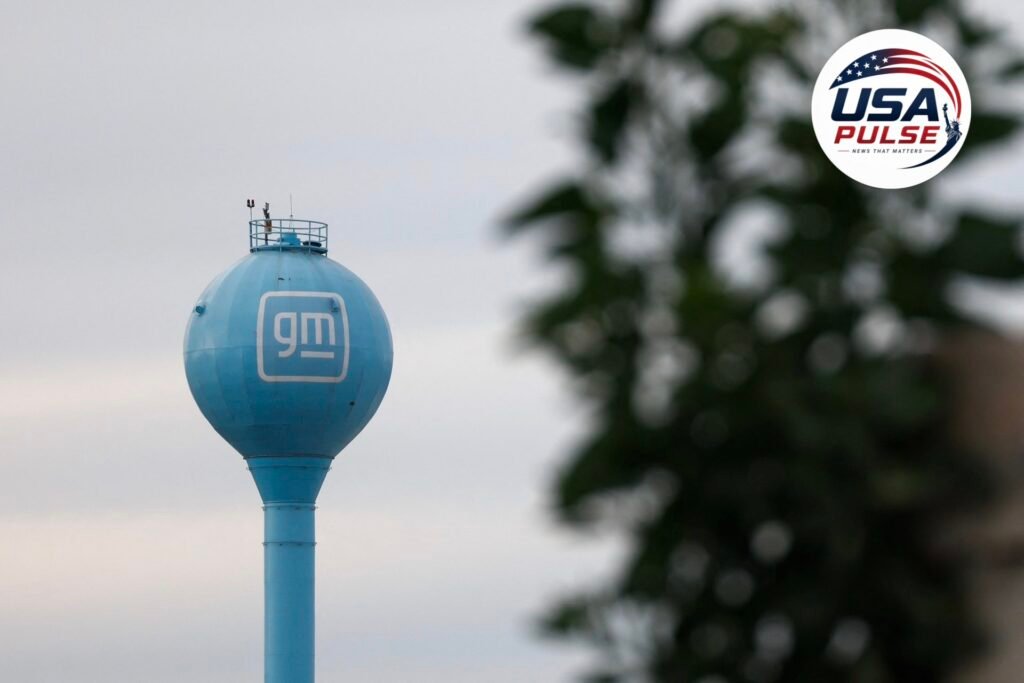
That strategy means Chevrolet and Cadillac currently have numerous EVs but very limited hybrid choices for American buyers.
Some GM dealers told Reuters that customers are increasingly asking for hybrids and occasionally leaving for competing brands when they cannot find one.
GM’s U.S. Market Share Falls
The shift may already be affecting the competitive landscape.
GM’s U.S. market share declined from 17.6% to 16.8% during the first half of 2026 compared with the same period a year earlier, according to Reuters.
Meanwhile, Toyota and Honda gained market share.
That doesn’t mean GM’s broader strategy has failed. Its gasoline-powered trucks and SUVs remain highly profitable, while its EV investments could become more valuable if electric-car demand strengthens in the future.
But the current hybrid boom presents an immediate challenge.
More Automakers Are Moving Toward Hybrids
Other manufacturers are responding quickly.
Nissan is accelerating the introduction of a new hybrid Rogue SUV in response to growing consumer demand.
More manufacturers are also introducing hybrid versions of popular SUVs as buyers seek a compromise between traditional gasoline vehicles and fully electric cars.
GM has previously said it plans to bring plug-in hybrid technology back to the North American market, although the timing and exact models remain uncertain.
Are Hybrids Becoming America’s New Favorite?
The latest numbers suggest hybrids are becoming much more than a niche alternative.
They offer drivers improved fuel economy while keeping the familiar convenience of filling up at a gas station.
For automakers, that means the battle for American buyers is no longer simply gas vs. electric.
Increasingly, there is a powerful third option sitting in the middle — the hybrid.
And right now, companies with strong hybrid lineups appear well positioned to capitalize on the shift.
Source: Reuters — September 16, 2026