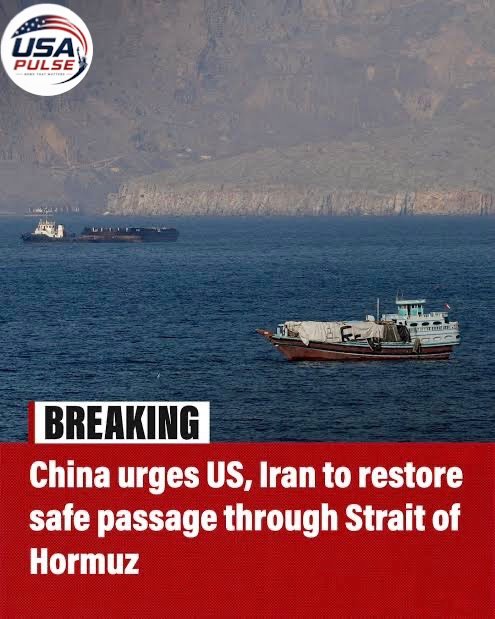
China is calling on the United States and Iran to show restraint and return to negotiations as the continuing conflict puts increasing pressure on global energy supplies and shipping through the Strait of Hormuz.
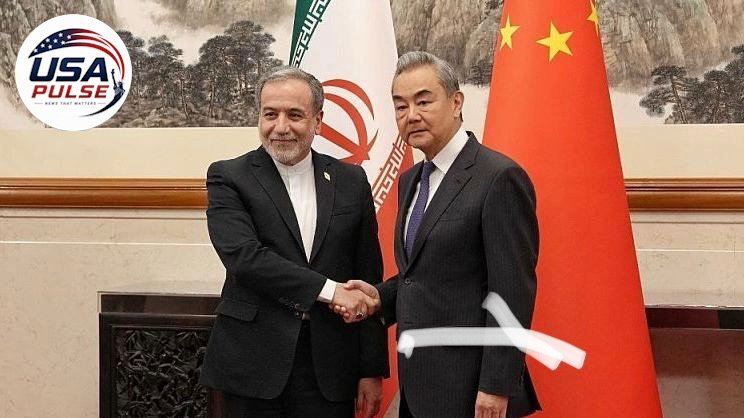
Chinese Foreign Minister Wang Yi made the appeal during talks in Beijing with Iranian Foreign Minister Abbas Araqchi on Wednesday, September 16.
Wang urged both Washington and Tehran to return to diplomatic consultations and work toward restoring the previous negotiation framework, according to Reuters.
China Calls for Strait of Hormuz to Reopen
One of Beijing’s biggest concerns is the disruption of shipping through the Strait of Hormuz.
The narrow waterway is one of the world’s most important energy routes, carrying large volumes of oil and liquefied natural gas from the Persian Gulf to international markets.
Wang called for safe navigation through the strait to be restored, warning that continued disruption threatens global energy transportation and supply chains.
China has a particularly large stake in the crisis because it is one of the world’s largest oil importers and a major buyer of Iranian crude.
Iran Says It Remains Open to Diplomacy
During the meeting, Iranian Foreign Minister Abbas Araqchi said Tehran remained prepared to defend its sovereignty while also leaving the door open to diplomatic efforts.
Iran has maintained that any diplomatic solution must protect what it considers the legitimate rights and interests of the Iranian people.
The comments suggest that diplomatic channels have not been completely closed despite continuing military confrontation.
Beijing Pushes for New Negotiations
China has repeatedly called for a negotiated settlement to the conflict rather than further military escalation.
Wang said the current crisis demonstrates problems with the Middle East’s existing security framework and called for renewed consultations based on agreements and understandings reached during previous negotiations.
The diplomatic push comes as the conflict continues to disrupt oil markets and commercial shipping.
Oil and Shipping Remain Under Pressure
Commercial traffic through the Strait of Hormuz remains severely reduced compared with normal levels.
The disruption has contributed to major volatility in global oil markets and increased concerns about fuel prices and inflation in the United States and other countries.
Saudi Arabia has also been attempting to redirect some crude exports through alternative routes as fighting and attacks affect regional energy infrastructure.
Any diplomatic breakthrough that restores normal shipping through Hormuz could therefore have consequences far beyond the Middle East.
Why This Matters for the United States
For Washington, China’s involvement adds another major global power to efforts aimed at preventing further escalation.
The crisis is no longer only a military confrontation between the United States and Iran. It is also affecting global oil markets, international shipping and relations between Washington and Beijing.
Whether China’s diplomatic push produces renewed negotiations remains uncertain.
For now, fighting continues while pressure grows internationally for the United States and Iran to find a diplomatic path out of the conflict.
Source: Reuters — September 16, 2026