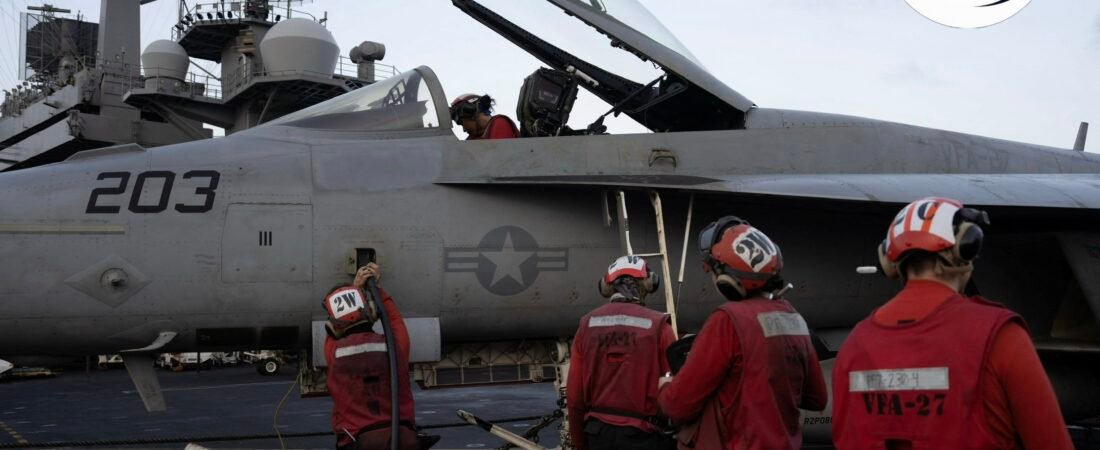
U.S. war with Iran has already cost American taxpayers an estimated $38 billion, and the price tag could continue climbing by as much as $3 billion every month if the conflict continues, according to a new assessment from the Congressional Budget Office.
The new figures provide one of the clearest pictures yet of the growing financial impact of the conflict on the United States.

U.S. Munitions Stockpiles Under Pressure
Beyond the direct financial cost, the CBO assessment raises concerns about the strain being placed on American weapons inventories.
Heavy use of advanced munitions and missile interceptors during the conflict means that replacing some depleted stocks could take years.
That could have broader consequences for U.S. military readiness if another major international crisis emerges.
Inflation Could Feel the Impact
The consequences may also reach American households.
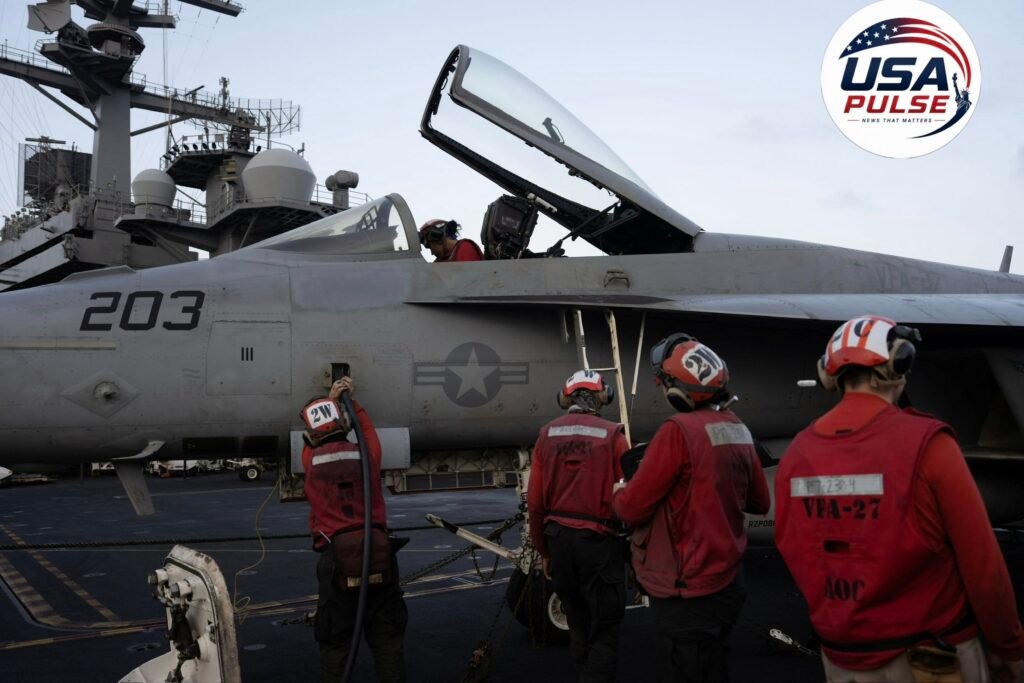
According to the CBO assessment reported by Reuters, the conflict and resulting disruption to global energy markets could contribute roughly 0.5 percentage points to inflation during the first quarter of 2027.
Oil and energy markets have already faced significant pressure as fighting and shipping disruptions around the Strait of Hormuz continue.
The Cost Could Keep Growing
The $38 billion estimate covers expenses through August 1, meaning it does not represent the complete cost of the conflict to date.
If current operations continue, the CBO projects additional costs of roughly $2 billion to $3 billion per month.
The assessment comes as Washington continues searching for a path toward ending the conflict and restoring normal shipping through the strategically vital Strait of Hormuz.
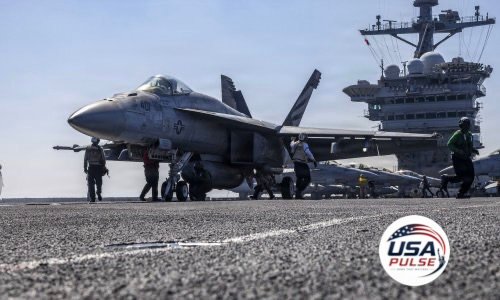
With military spending rising, weapons inventories under pressure and energy prices remaining elevated, the economic consequences of the Iran conflict are becoming an increasingly important issue for the United States.
Source: Reuters, Congressional Budget Office reporting — September 15, 2026.