The Federal Reserve is widely expected to raise interest rates on Wednesday as persistent inflation, surging oil prices and rising Treasury yields increase pressure on the U.S. central bank.
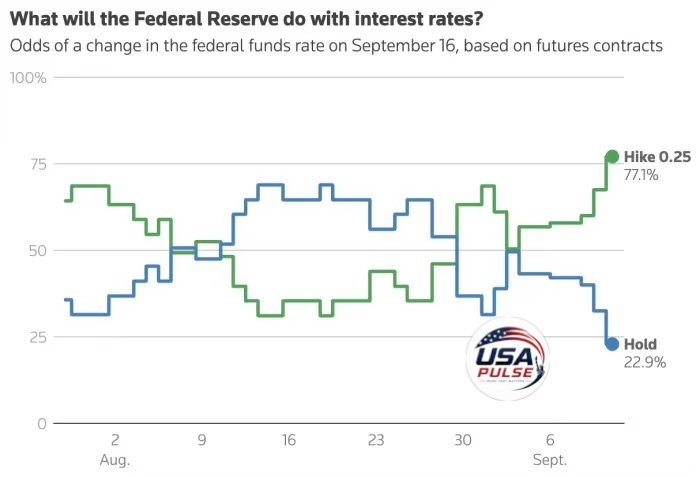
Financial markets are now pricing in a more than 90% chance that policymakers will increase the benchmark interest rate by a quarter percentage point at the conclusion of the Federal Reserve’s September 15–16 meeting.
If the Fed moves ahead, the benchmark rate would rise to a target range of 3.75% to 4.00%.
Inflation Changes the Fed Outlook
Expectations for a rate hike have changed dramatically in recent days.
Stronger-than-expected U.S. inflation readings for August raised concerns that progress toward the Federal Reserve’s 2% inflation target may be slowing.
Major Wall Street institutions, including Goldman Sachs and JPMorgan, have shifted their forecasts and now expect the Fed to raise rates at this week’s meeting.
A Reuters poll also found that 85% of economists surveyed expect a quarter-point increase.
Oil Above $100 Adds More Pressure
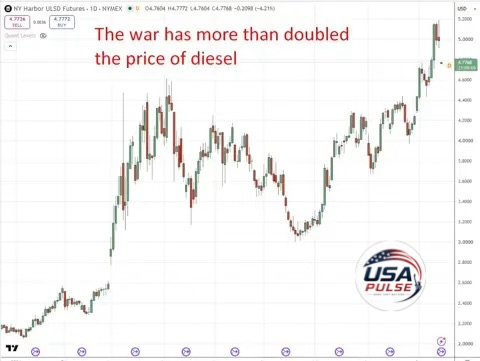
Another major concern for the Federal Reserve is the sharp rise in global oil prices.
Oil has climbed above $100 per barrel amid renewed geopolitical tensions in the Middle East, creating fears that higher energy and transportation costs could keep inflation elevated.
Higher fuel prices can eventually affect everything from transportation and manufacturing to groceries and other consumer goods.
Treasury Yield Climbs Above 5%
Bond markets are already reacting.
The benchmark U.S. 10-year Treasury yield climbed above 5% on Tuesday, reaching levels not seen since 2007.
Higher Treasury yields can put additional upward pressure on borrowing costs across the economy.
For American households, that could mean continued pressure on mortgage rates, auto loans, credit cards and other forms of borrowing.
What Could This Mean for Americans?
Higher Federal Reserve interest rates are designed to slow demand and bring inflation under control, but they also make borrowing more expensive.
Consumers looking to buy a home or finance a vehicle could face higher costs, while businesses may also pay more to borrow money for investment and expansion.
Savers, on the other hand, could potentially benefit from higher yields on some savings accounts and certificates of deposit.
Could More Rate Hikes Follow?
Wednesday’s decision may not be the end of the story.
Economists surveyed by Reuters expect at least one additional rate increase by the end of March 2027, while investors will closely watch Federal Reserve Chair Kevin Warsh’s comments for clues about what policymakers could do next.
The key question is whether Wednesday’s expected increase will be a one-time adjustment or the beginning of a new cycle of tighter monetary policy.
With inflation remaining stubborn, oil prices elevated and borrowing costs already climbing, the Federal Reserve’s Wednesday decision could become one of the most important economic events of the year.
USA Pulse will continue following the Federal Reserve decision and its impact on American consumers, markets and the broader U.S. economy.