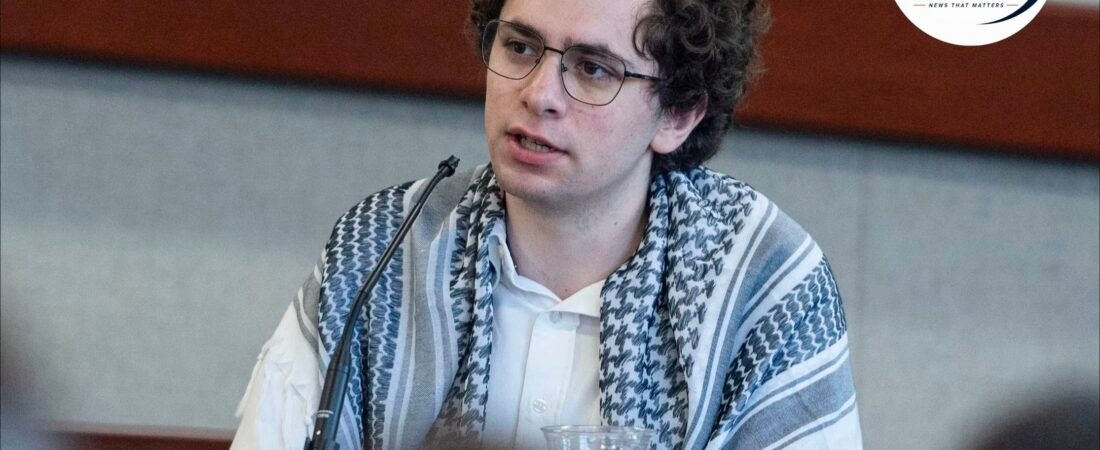
A Vermont man accused of shooting three Palestinian college students in a case that drew international attention has gone on trial, with his lawyers arguing that he was suffering from a severe mental disorder at the time of the attack.
Jason Eaton is accused of shooting Hisham Awartani, Tahseen Aliahmad and Kinnan Abdalhamid as the three young men walked near his home in Burlington, Vermont, in November 2023.
Eaton does not deny carrying out the shooting. Instead, his defense is arguing that he should be found not guilty by reason of insanity.
Prosecutors Say He Intended to Kill the Students
Eaton faces attempted murder charges over the attack.
Prosecutors argue that he understood what he was doing and intended to kill the three students.
Evidence presented in the case includes a Ruger .380 handgun that authorities linked to the shooting, along with additional firearms recovered from Eaton’s home.
If convicted, Eaton could face life in prison.
Defense Says Eaton Was Suffering From Delusions
The defense is presenting a dramatically different explanation.
According to testimony described by The Associated Press, Eaton claimed he believed he was receiving messages from the CIA and Israel’s Mossad through FM radio.
He also said he believed God was commanding him to protect Jewish people living nearby.
His attorneys argue that Eaton was experiencing a delusional psychotic disorder and was unable to properly understand his actions.
Prosecutors dispute that argument.
One Victim Was Left Paralyzed
The consequences of the shooting were devastating.
The three victims, who grew up together in Ramallah in the West Bank before attending college in the United States, survived the attack.
However, Hisham Awartani was left paralyzed.
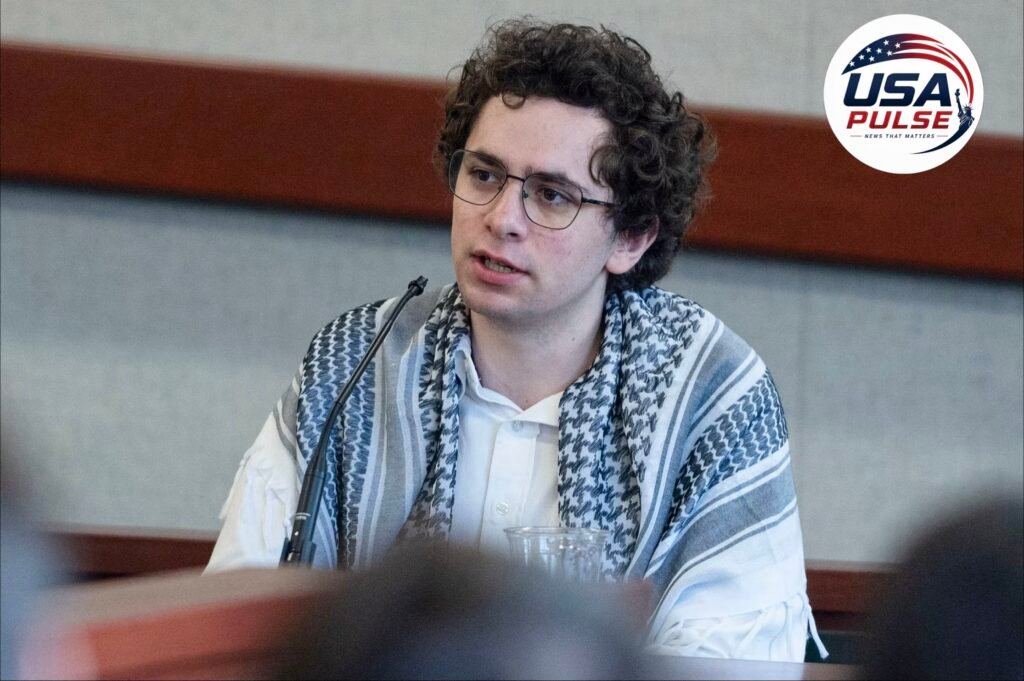
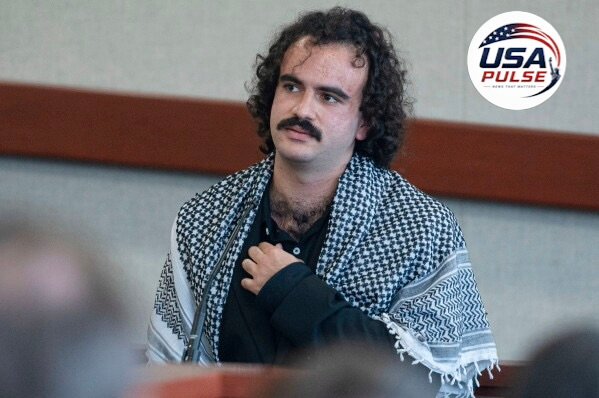
The victims have now testified about what happened during the shooting as the court determines Eaton’s criminal responsibility.
Case Drew International Attention
The attack occurred just weeks after the Israel-Hamas war began in 2023 and initially triggered widespread calls for authorities to investigate whether the students had been targeted because they were Palestinian.
No hate-crime charges were ultimately filed.
The trial is now centered largely on Eaton’s mental state at the time of the shooting.
A conviction could send him to prison for life, while a verdict of not guilty by reason of insanity would result in mandatory mental-health treatment rather than a conventional prison sentence.
The case is expected to continue drawing significant attention as testimony unfolds in Vermont.