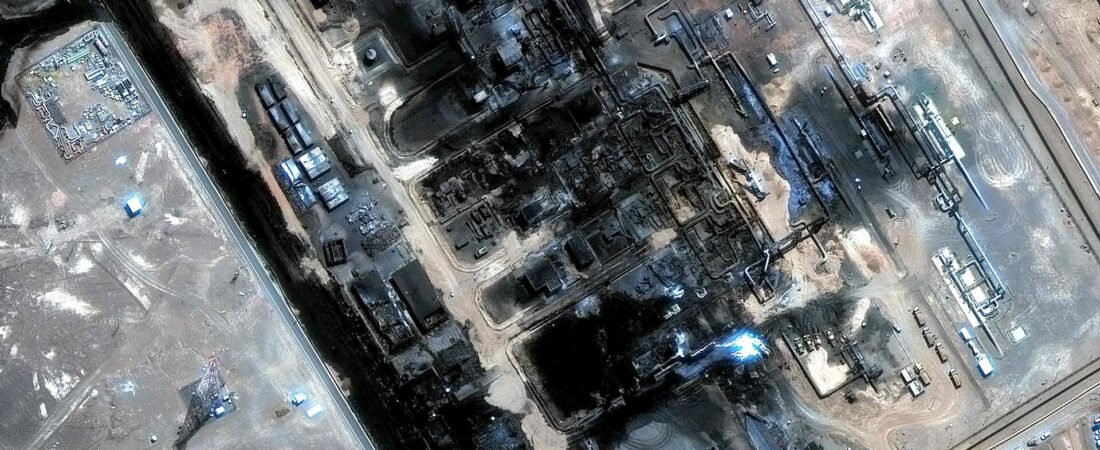
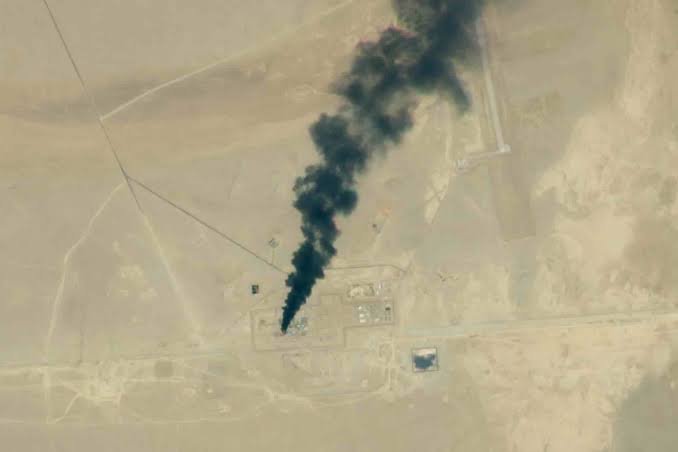
A critical Saudi Arabian oil pipeline could remain largely out of service for weeks after a drone attack, creating another major threat to global energy supplies as the wider conflict involving Iran continues to disrupt key Middle Eastern shipping routes.
The East-West Pipeline has become increasingly important because it allows Saudi Arabia to move crude oil toward the Red Sea without relying on the Strait of Hormuz.
Now, that crucial alternative is under severe pressure.
Pipeline Could Be Disrupted for 3 to 5 Weeks
The damaged Saudi pipeline could remain largely out of service for approximately three to five weeks, according to reporting by The Associated Press.
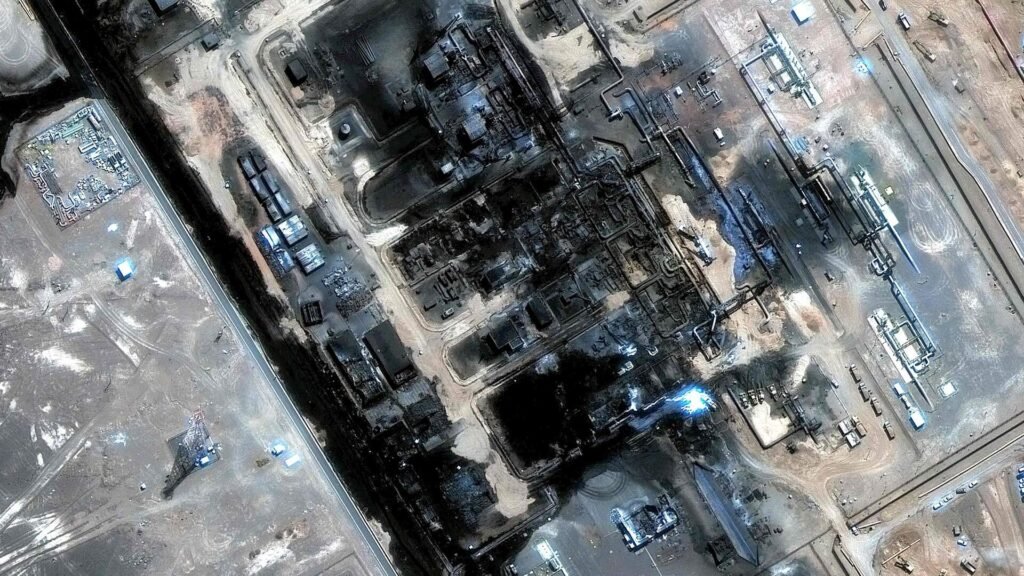
The route has been carrying millions of barrels of crude oil per day toward Saudi Arabia’s Red Sea export facilities.
Its shutdown comes at an especially dangerous moment for global energy markets.
Strait of Hormuz Traffic Remains Extremely Low
Shipping through the Strait of Hormuz also remains far below normal levels.
Reuters reported that only a small number of commodity vessels crossed the waterway over the weekend.
Before the Iran war began, approximately 125 vessels crossed the strait each day, with the route handling roughly 20% of global crude oil and LNG supplies.
The combination of restricted Hormuz traffic and problems with Saudi Arabia’s alternative pipeline has intensified fears of further supply disruptions.
Oil Prices Climb Again
Oil markets are already reacting.
Prices climbed more than 2% as traders assessed the latest attacks and the possibility that Saudi exports could remain constrained for weeks.
The crisis has also pushed tanker rates, insurance costs and transportation expenses sharply higher.
If disruptions continue, pressure on global fuel prices could increase further.
New Pressure on American Consumers
For Americans, another prolonged oil supply shock could mean higher gasoline and diesel prices.
Higher transportation and energy costs can also spread throughout the economy, affecting everything from food deliveries to manufacturing and consumer goods.
That raises renewed concerns about inflation at a time when energy prices are already creating economic and political pressure in the United States.
Iran Conflict Expands Beyond Hormuz
The crisis is no longer centered only on the Strait of Hormuz.
Iran-aligned Houthi forces have expanded their control along Yemen’s Red Sea coast and recently seized strategically important islands near the Bab el-Mandeb shipping route.
That means pressure is now building around multiple routes used to move Middle Eastern oil to global markets.
With the Saudi pipeline expected to remain disrupted for weeks and shipping through Hormuz still severely restricted, the global energy market could face another difficult period.
The longer these disruptions continue, the greater the risk that Americans will feel the consequences at the pump and throughout the wider economy.