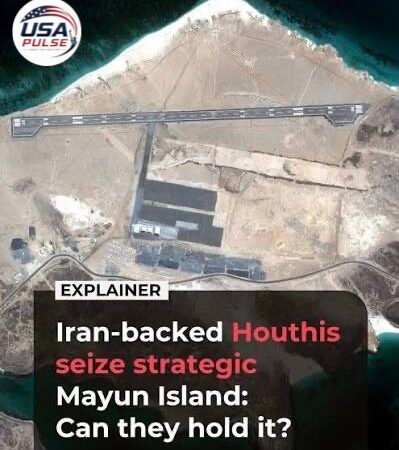
Iran-backed Houthi rebels have seized two more strategic islands in the southern Red Sea, strengthening their position around one of the world’s most important shipping routes as the wider U.S.–Iran conflict continues to disrupt global energy markets.
The Houthis captured Greater Hanish and Lesser Hanish, according to officials cited by The Associated Press, expanding their control after recent advances along Yemen’s Red Sea coast.
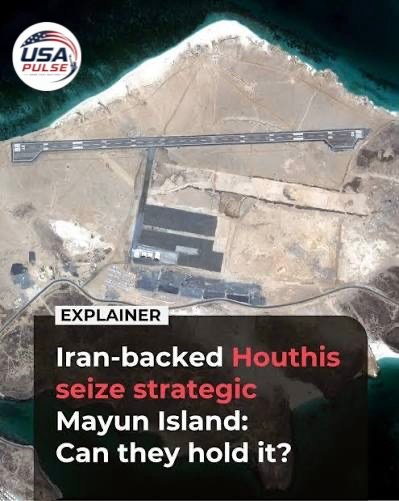
The latest development increases concerns over the security of the Bab el-Mandeb Strait, a critical maritime chokepoint connecting the Red Sea with the Gulf of Aden.
Houthis Expand Control in the Red Sea
Houthi fighters were deployed on the Hanish islands after government-allied forces withdrew from the archipelago.
The islands are located roughly 100 miles north of Bab el-Mandeb and could give the Houthis a stronger position from which to threaten maritime traffic in the region.
Their latest gains follow the capture of the strategic port city of Mokha and Mayun Island, which sits directly inside the Bab el-Mandeb Strait.
The rapid advance has significantly changed the security situation along Yemen’s western coastline.
Another Critical Oil Route Under Pressure
Bab el-Mandeb has become increasingly important because shipping through the Strait of Hormuz has already been heavily disrupted during the U.S.–Iran conflict.
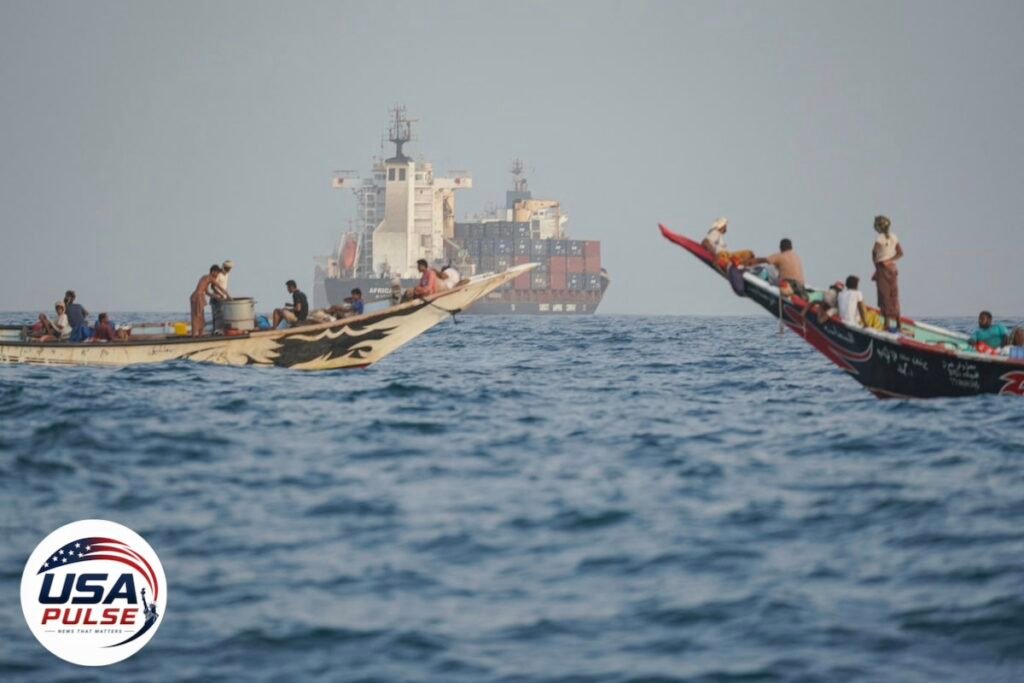
Saudi Arabia has relied on Red Sea export routes as an alternative for moving crude oil when Hormuz is unsafe or restricted.
But the Houthi advance now threatens that alternative route as well.
The situation has become even more serious following attacks on Saudi Arabia’s East-West oil pipeline, another major route used to bypass Hormuz.
Oil Prices Rise Above $107
Energy markets are reacting to the growing risks.
Brent crude climbed back above $107 per barrel, while U.S. crude moved above $102, as traders assessed the possibility of further disruption to Middle Eastern oil exports.
Shipping companies are also facing record tanker rates and higher fuel and insurance costs as vessels attempt to avoid dangerous areas.
Taking longer routes around Africa can add weeks to a voyage and significantly increase transportation expenses.
Iran Gains New Regional Leverage
The Houthis are closely aligned with Iran, and their growing control around Bab el-Mandeb could provide Tehran with additional leverage in its confrontation with the United States.
Iran already has significant influence over shipping conditions around the Strait of Hormuz.
Pressure on both Hormuz and Bab el-Mandeb could therefore threaten two of the most important maritime routes for Middle Eastern energy exports at the same time.
For Washington and its Gulf allies, that creates a difficult new strategic challenge.
What It Could Mean for Americans
The consequences could eventually reach U.S. consumers.
Prolonged disruption to global oil supplies can push crude prices higher, increasing gasoline, diesel and transportation costs across the United States.
Higher energy and shipping expenses can also contribute to inflation by raising the cost of moving goods.
With the U.S.–Iran conflict continuing and the Houthis expanding their position in the Red Sea, global energy markets are entering another period of uncertainty.
The battle for control of these strategic shipping routes could now become one of the most consequential fronts of the wider Middle East conflict.