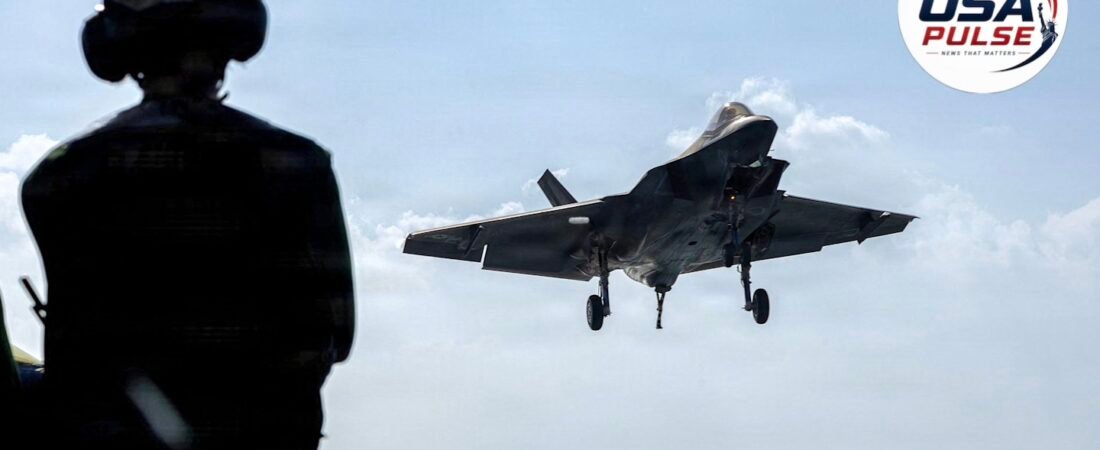
The United States has changed how it protects commercial tankers traveling through the Strait of Hormuz as Iranian attacks on ships intensify, highlighting the growing difficulty of keeping one of the world’s most important energy routes open.
Tankers are now being encouraged to cross the strategic waterway during specific designated times when U.S. military protection can be concentrated around commercial shipping.
The move comes after nighttime transit became increasingly dangerous amid renewed attacks involving Iran, U.S. forces and commercial vessels.
U.S. Changes Its Protection Strategy
Since May, Washington has provided air-based protection for ships traveling along a route close to the Omani coast.
Shipowners previously coordinated with a U.S. naval center and were given broader overnight windows during which American aircraft could provide protection.
That system has now changed.
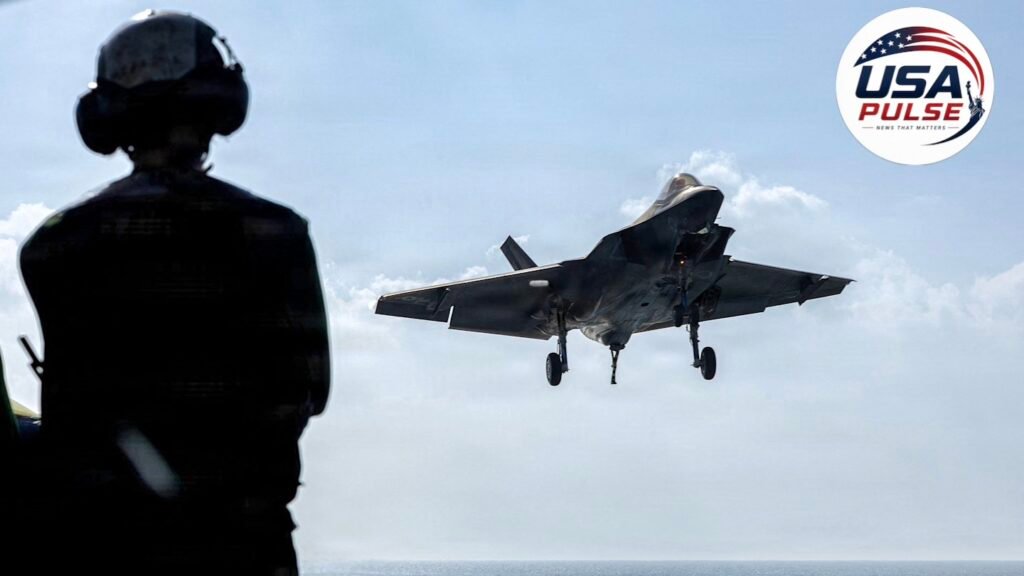
The U.S. has moved toward specific transit periods each day, allowing military resources to be concentrated when tankers are crossing the strait.
U.S. Central Command confirmed the updated guidance.
Nighttime Shipping Becomes More Dangerous
The change follows growing concern over attacks against merchant vessels traveling at night.
Iranian forces have targeted numerous vessels during the conflict, while Washington has also carried out strikes against Iranian oil tankers following attacks targeting U.S. naval forces.
Earlier this week, Iran said it attacked two U.S. vessels and eight oil tankers after American forces struck five Iranian tankers.
The latest escalation has made commercial shipping increasingly dangerous around the Strait of Hormuz and Gulf of Oman.
Global Oil Supply Remains Under Pressure
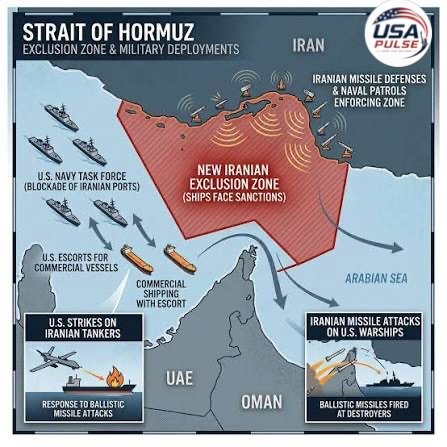
The Strait of Hormuz is one of the world’s most important energy chokepoints.
Disruptions have already reduced tanker traffic and contributed to sharply higher oil transportation costs.
The cost of shipping crude aboard the world’s largest tankers from the Gulf of Oman to China recently reached record levels, with the rate equivalent to roughly $11.50 per barrel.
Higher shipping, insurance and energy costs could eventually increase expenses for businesses and consumers around the world.
A Growing Challenge for Washington
The decision also demonstrates the enormous resources required to protect commercial shipping during a prolonged conflict.
Instead of maintaining broad protection throughout the night, Washington can concentrate aircraft and military support around specific crossing times.
However, the new system also shows that the Strait of Hormuz remains far from returning to normal.
With U.S.–Iran tensions high and attacks on commercial shipping continuing, keeping oil moving safely through the Gulf remains one of Washington’s biggest challenges in the conflict.
Any further escalation around Hormuz could once again send shockwaves through global oil markets — and ultimately affect fuel prices for American consumers.