The United States has made significant progress in restoring oil traffic through the Strait of Hormuz while dramatically reducing Iran’s own oil exports, but the months-long conflict remains far from a resolution.
New shipping data shows a major shift in one of the most important economic battles of the U.S.–Iran war.
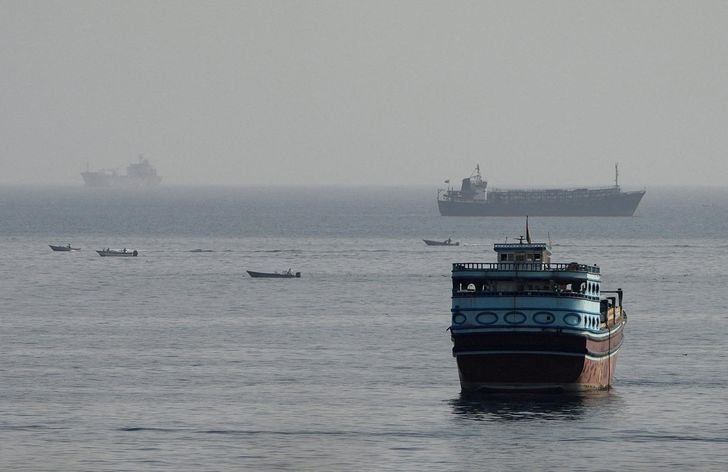
Iran’s Oil Exports Plunge
Iran had used restrictions around the Strait of Hormuz — a critical route for global oil and gas supplies — as economic leverage against Washington and its allies.
But the situation has started to change.
According to shipping data cited by The Associated Press, Iranian oil exports fell from around 1.85 million barrels per day last spring to roughly 255,000 barrels per day in August.
At the same time, exports of non-Iranian oil from Gulf producers have increased significantly as the United States works to keep energy supplies moving.
U.S. Military Presence Keeps Oil Moving
The improvement has come with a cost.
Maintaining shipping through the region requires a major American military presence, putting additional pressure on U.S. resources as the conflict continues.
Despite growing economic pressure on Tehran, there are still few signs that Iran is preparing to back down.
Instead, tensions are expanding into other strategically important areas.
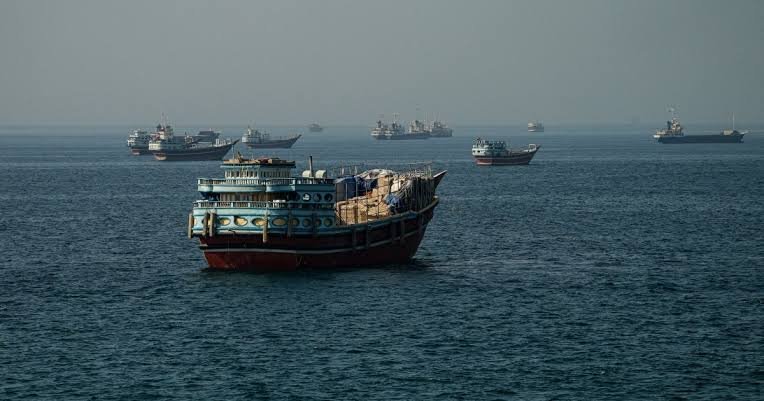
Houthis Put Another Oil Route at Risk
Iran-aligned Houthi forces in Yemen have intensified attacks against Saudi Arabia and shipping in the Red Sea.
That creates another major challenge.
While the Strait of Hormuz remains under pressure, instability around the Bab el-Mandeb Strait threatens another critical route connecting the Red Sea with global markets.
The growing threat to multiple shipping routes has helped keep global oil prices above $100 per barrel.
Americans Could Continue Feeling the Impact
For the United States, the consequences are increasingly being felt beyond the battlefield.
Higher crude oil and transportation costs can contribute to higher diesel, gasoline and consumer prices.
With the 2026 midterm elections approaching, the economic impact of the Iran war could become an increasingly important political issue.
Washington may have weakened one of Iran’s biggest sources of economic leverage — but the broader conflict shows little sign of ending soon.