
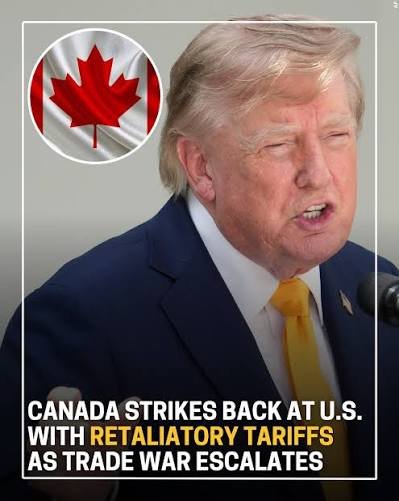
Canada has imposed a new wave of retaliatory tariffs on U.S. goods, marking a significant escalation in the trade dispute between the two neighboring countries.
The new Canadian tariffs took effect on September 8 and apply rates of 15%, 25% and 50% to a wide range of American products.
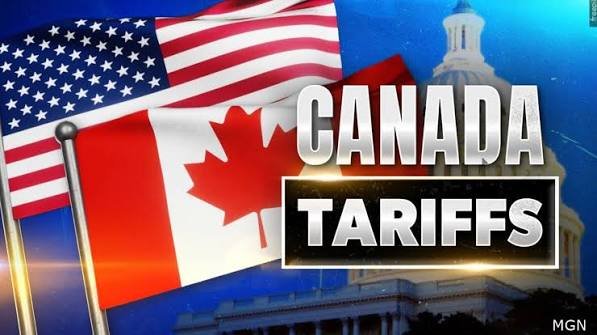
According to the Canadian government, the measures cover C$27.6 billion worth of imports from the United States and are designed to match recently imposed U.S. tariffs dollar for dollar and rate for rate.
Which U.S. Products Are Being Hit?
The new Canadian tariffs target several major American industries, including:
Steel and aluminum-related products, dairy products, household appliances, agricultural equipment, pulp and paper products, and electronics.
Some products will face tariffs as high as 50%, while others will be subject to 15% or 25% duties.
Canada says the measures are a direct response to Washington’s latest tariffs on Canadian goods.
U.S.–Canada Trade Talks Stall
The escalation follows the collapse of negotiations between Washington and Ottawa last month.
Canadian Prime Minister Mark Carney has said his government remains willing to reach an agreement that benefits both countries, but Reuters reported that there are currently no active negotiations between senior officials from the two governments.
The dispute is also creating new uncertainty surrounding the future of the U.S.-Mexico-Canada Agreement, or USMCA, which governs one of the world’s largest trading relationships.
Could American Businesses Feel the Impact?
Canada is one of the United States’ largest trading partners, meaning an extended tariff battle could have consequences on both sides of the border.
American manufacturers and exporters whose products are targeted by Canada’s new duties could face higher costs and reduced competitiveness in the Canadian market.
President Donald Trump has also threatened additional tariffs on Canadian automobiles, trucks and automotive parts, potentially escalating the dispute even further.
For consumers and businesses in both countries, the growing trade confrontation raises concerns about higher prices, disrupted supply chains and weaker investment.
With Canada’s retaliatory tariffs now officially in effect and negotiations stalled, attention is turning to Washington’s next move.