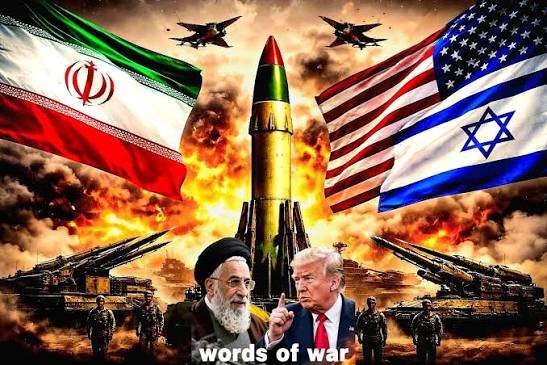
Iran is signaling a major shift in its military strategy as tensions with the United States continue to escalate, with Tehran saying it is prepared to act against threats before an attack is carried out.
Iranian state media reported Monday that the country’s improved ballistic missile capabilities demonstrate what officials described as a new and more aggressive defense doctrine.
The announcement centers on the solid-fueled Qassem Basir ballistic missile, which Iran says offers greater accuracy and improved capabilities.
Iran Highlights New Missile Capability
The Qassem Basir was previously described as having a range of at least 1,200 kilometers, or roughly 745 miles, and carrying a warhead weighing about half a ton.
Mohsen Rezaei, head of Iran’s Supreme National Security Council, also claimed that Iran’s new missile capability had been tested against a U.S. warship.
However, it remains unclear whether the missile involved in that incident was specifically the Qassem Basir.
The United States said Iranian ballistic missiles were recently launched toward U.S. warships. According to U.S. officials, the vessels avoided the attacks.
American forces subsequently struck three Iranian oil tankers.
A More Dangerous Phase of the Conflict?
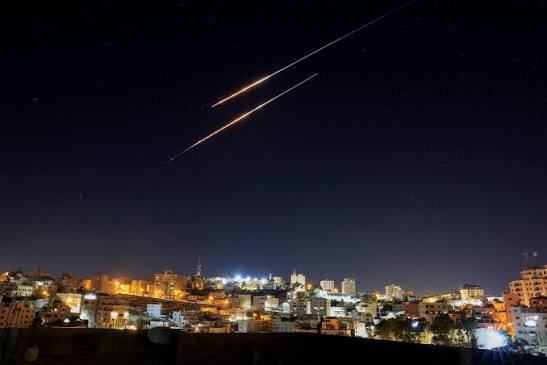
Iran’s latest messaging could represent an important change in how Tehran approaches future confrontations.
Rather than waiting to respond after an attack, Iranian officials are increasingly signaling that the country could take military action when it believes a threat is imminent.
Such a strategy could significantly increase the risk of miscalculation between U.S. and Iranian forces operating across the Middle East.
Strait of Hormuz Dispute Intensifies
The announcement also comes as Washington and Tehran remain locked in a confrontation over the Strait of Hormuz.
Iran has discussed creating a new exclusion zone near the strategic waterway, while the White House has rejected Tehran’s claims and maintains that the strait remains open.
The Strait of Hormuz is one of the world’s most important routes for global oil and gas shipments, making any military escalation there potentially significant for energy markets worldwide.
With missile threats, attacks on shipping and disagreements over control of the Strait continuing, the latest Iranian declaration adds another layer of uncertainty to an already volatile U.S.–Iran confrontation.