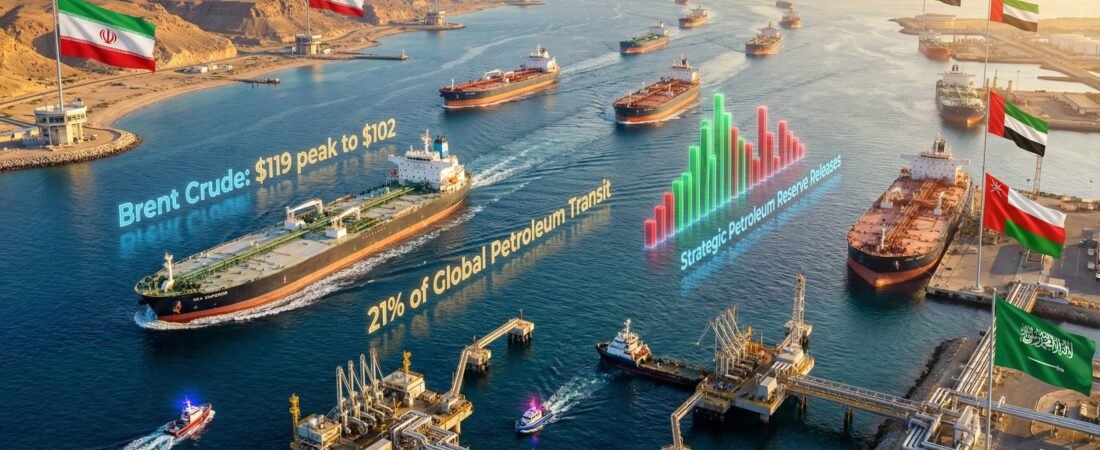
Tensions between the United States and Iran are rising again after Tehran issued a direct warning that American-linked energy infrastructure across the Gulf could become vulnerable if Washington launches further attacks against Iranian assets.
The warning follows another dangerous round of military exchanges over the weekend. U.S. forces struck three Iranian oil tankers, including one near Kharg Island, Iran’s main oil export hub, after Iran’s Revolutionary Guards launched ballistic missiles toward two U.S. Navy ships operating in the region.
Iranian Parliament Speaker Mohammad Baqer Qalibaf responded by warning that further attacks on Iranian assets would trigger retaliation. He specifically pointed to oil and gas infrastructure and American energy interests across the Gulf as potential vulnerabilities.
Strait of Hormuz Back in Focus
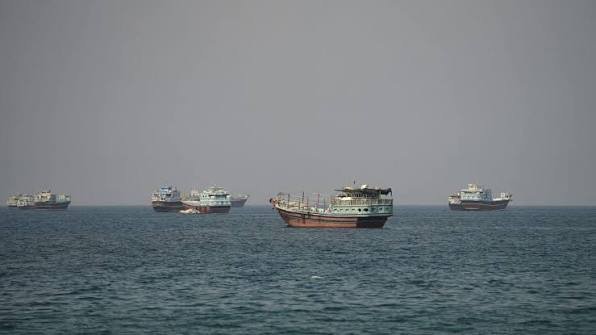
The escalation is raising fresh concerns over the Strait of Hormuz, one of the world’s most important energy shipping routes.
Iran has tightened restrictions on shipping through the strategic waterway and Iranian officials say Tehran plans to announce a new restricted zone in parts of the Gulf.
Shipping activity has already fallen sharply. According to data cited by Reuters, an average of only around 10 commodity vessels per day crossed the Strait during the previous 10 days — the lowest level since May.
Oil Prices Climb
Energy markets are reacting to the renewed confrontation.
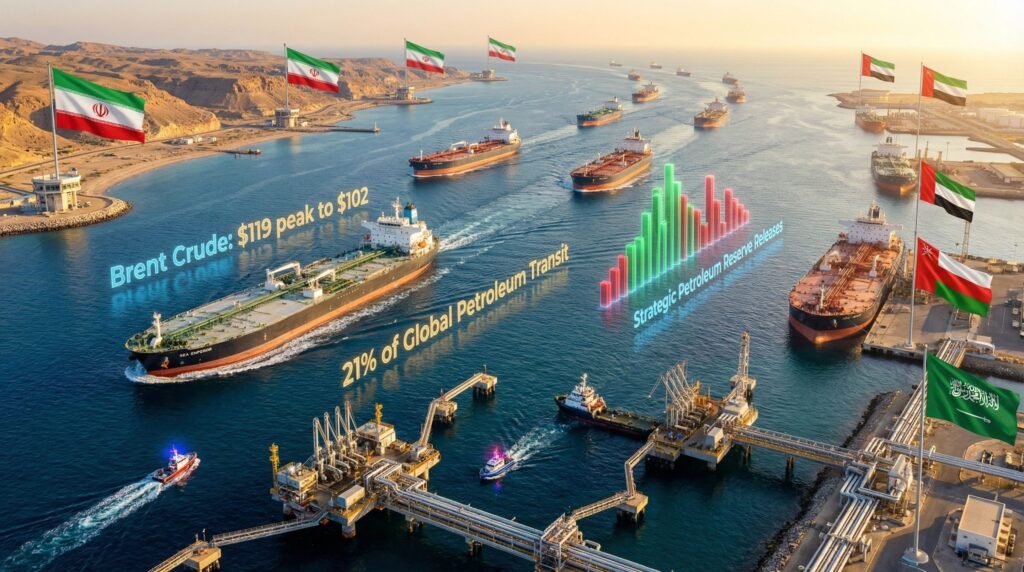
Brent crude climbed to $97.31 per barrel on Monday after reaching $98.06 during trading, its highest level since late July. U.S. West Texas Intermediate also climbed above $92 per barrel.
Analysts are increasingly concerned that additional attacks on tankers or energy infrastructure could cause an even larger disruption to global oil supplies.
For American consumers, prolonged instability could also mean renewed pressure on gasoline and other energy prices.
What Happens Next?
Diplomatic efforts between Washington and Tehran have made little progress, while military exchanges have intensified again following a quieter period in August.
Any direct attack on major Gulf oil or gas infrastructure could dramatically widen the economic consequences of the conflict.
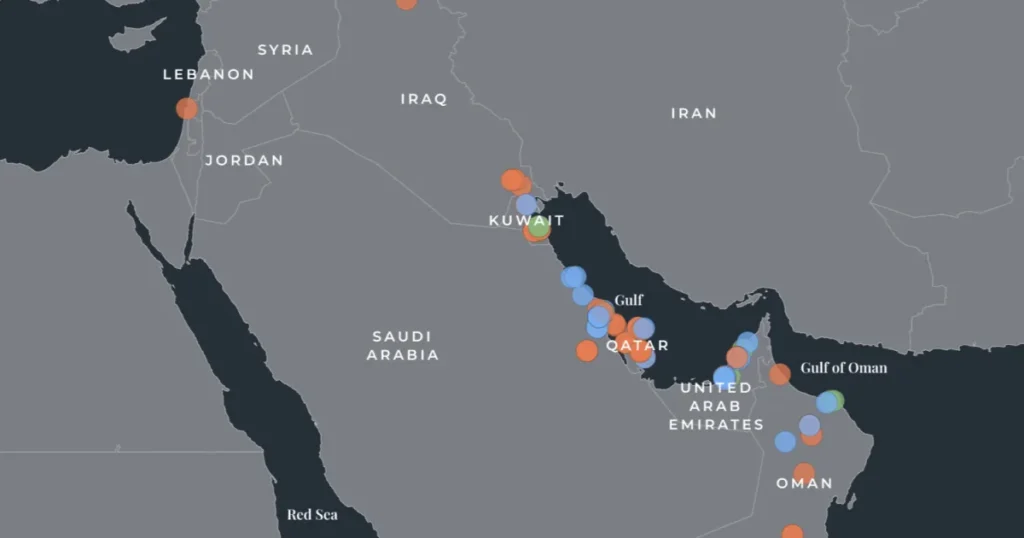
With the Strait of Hormuz under pressure and both Washington and Tehran warning of further retaliation, the coming days could prove critical for global energy markets.