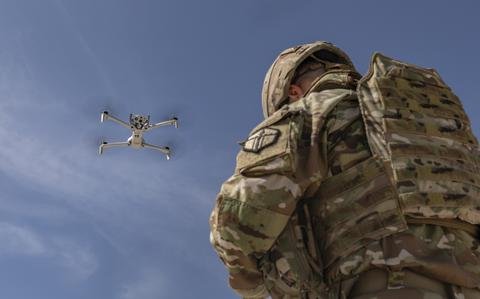
Drone activity along a key section of the U.S.-Mexico border has fallen sharply following the deployment of a powerful new laser weapon, according to U.S. military officials.
Officials say there has been an approximately 75% decrease in drones probing the southern border in the Rio Grande Valley less than two weeks after the military began using a high-energy laser system against suspicious unmanned aircraft.
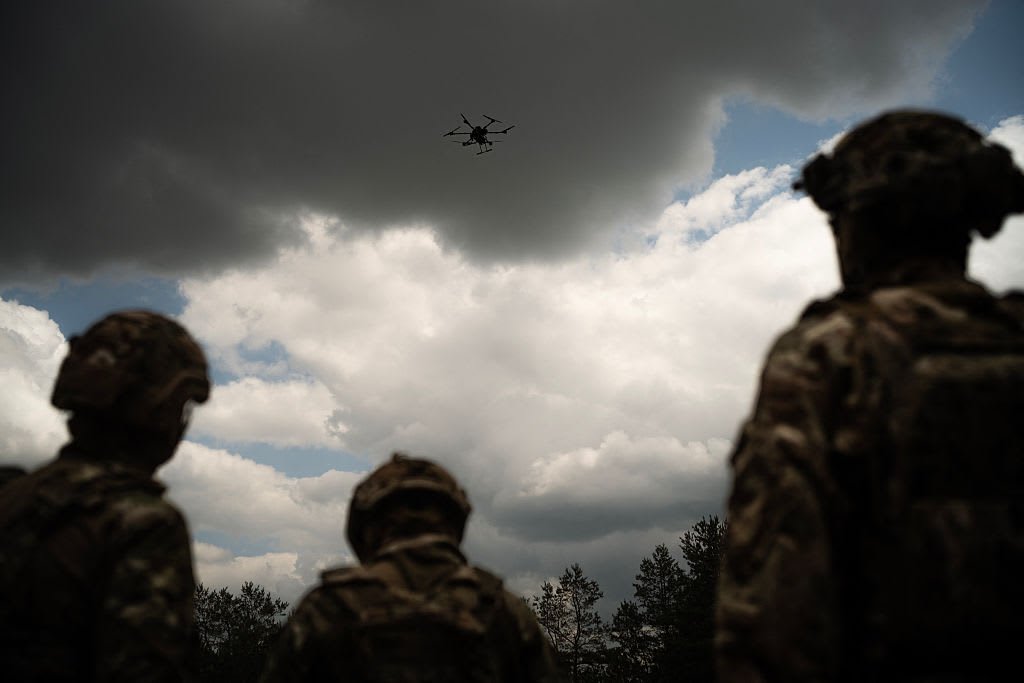
The development highlights the growing role of advanced technology in U.S. border security as authorities confront drones allegedly being used by criminal organizations for surveillance and smuggling operations.
U.S. Military Says Laser Has Taken Down 11 Drones
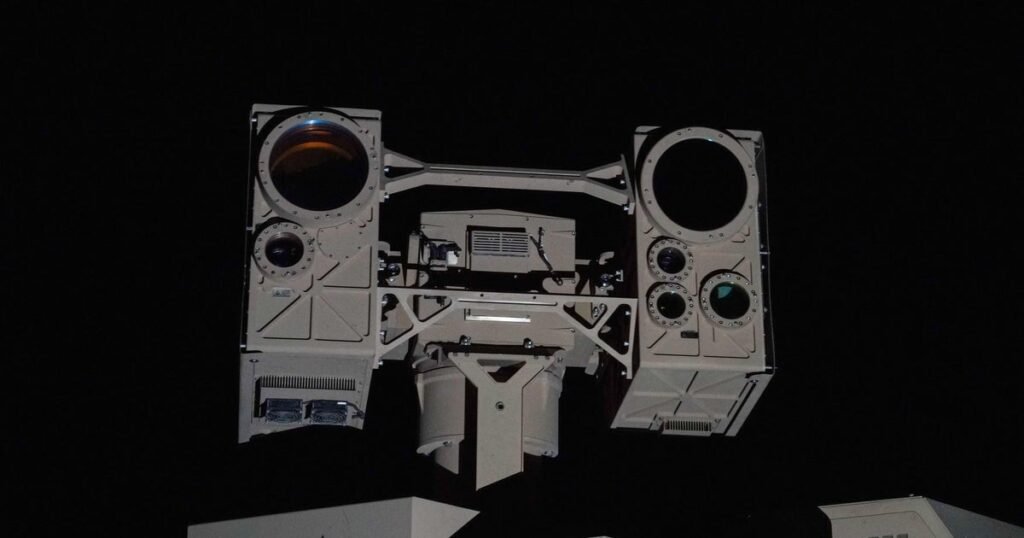
The system being used is known as the Army Multipurpose High-Energy Laser, or AMP-HEL.
U.S. Northern Command says the technology was first employed in border-protection operations on August 24.
By September 4, U.S. service members had used the system to defeat 11 drones assessed to be associated with illicit activity along the border.
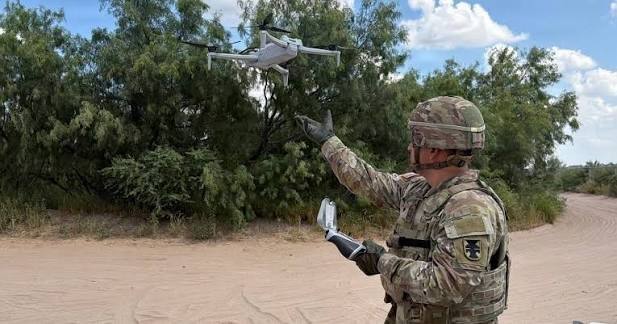
The military says more than 300 unmanned aircraft systems have been defeated during 2026 using a combination of kinetic and non-kinetic counter-drone technologies.
More than 100 were defeated during August alone.
Why Are Drones Flying Near the Border?
According to U.S. military officials, transnational criminal organizations increasingly use drones to assist illegal cross-border operations.
The aircraft can be used to monitor the movements of law-enforcement officers and military personnel and to support smuggling activities.
The laser system gives U.S. forces another option for dealing with drones considered a threat.
Unlike traditional weapons that require ammunition or missiles, directed-energy systems use concentrated energy to disable their targets.
Officials Caution Other Factors May Be Involved
While the decline in drone activity followed the deployment of the laser system, military officials have cautioned against assuming the weapon is solely responsible for the approximately 75% decrease.
Other factors could be contributing, including criminal organizations changing their routes or tactics.
Still, the military says the deployment demonstrates how emerging directed-energy technology can be integrated into ongoing border-security operations.
Laser Technology Expands Along the Border
Approximately 8,000 U.S. service members are currently deployed with Joint Task Force-Southern Border across roughly 1,954 miles of the southern border.
The deployment of AMP-HEL represents one of the most visible examples yet of the U.S. military using directed-energy technology for homeland defense.
As drones become cheaper and more widely available, counter-drone technology is likely to become an increasingly important part of U.S. border security.