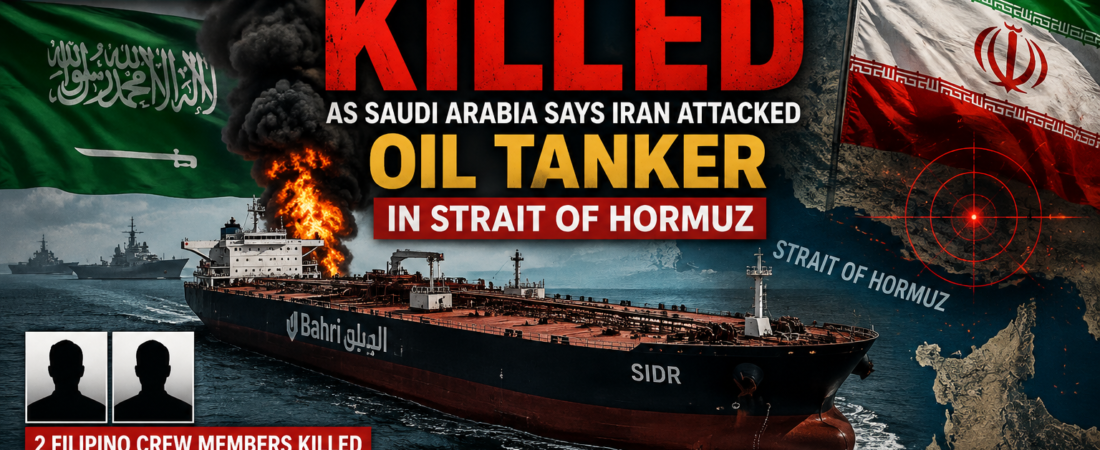
A deadly attack on a Saudi-owned oil tanker in the Strait of Hormuz has intensified concerns over the security of one of the world’s most important energy routes.
Saudi Arabia has accused Iran of attacking the tanker Sidr, operated by Saudi national shipping company Bahri, in an incident that killed two Filipino crew members.
The attack comes as tensions across the Persian Gulf remain extremely high and commercial shipping faces growing risks while passing through the Strait of Hormuz.
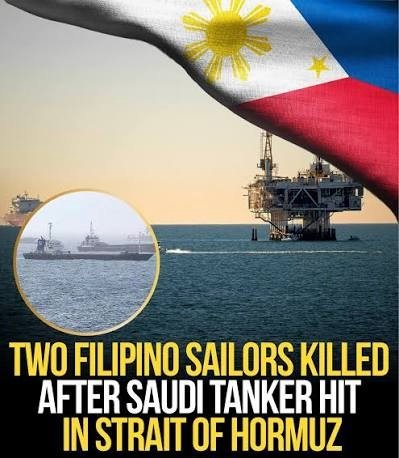
The narrow waterway is one of the most strategically important shipping routes in the world, carrying a significant share of global oil and energy exports.
The latest incident could further increase concerns among shipping companies, governments and energy markets about the safety of vessels operating in the region.
Saudi Arabia has called for an end to the escalation and stressed the importance of protecting international navigation and global energy supplies.
The tanker incident comes amid the broader confrontation involving Iran and the United States, which has already increased fears that fighting could spread further across the Middle East.
Any sustained disruption to shipping through the Strait of Hormuz could have consequences far beyond the region.
Oil markets are particularly sensitive to developments in the strait, and continued attacks on tankers could increase transportation and insurance costs while putting additional pressure on global energy prices.
The deaths of two crew members also highlight the growing human cost of the confrontation as civilian commercial vessels become increasingly exposed to the conflict.
Governments around the world will now be watching closely for Iran’s response to the Saudi accusation and for any additional attacks on commercial shipping.
With tensions already elevated, another major incident in the Strait of Hormuz could trigger an even broader regional crisis.