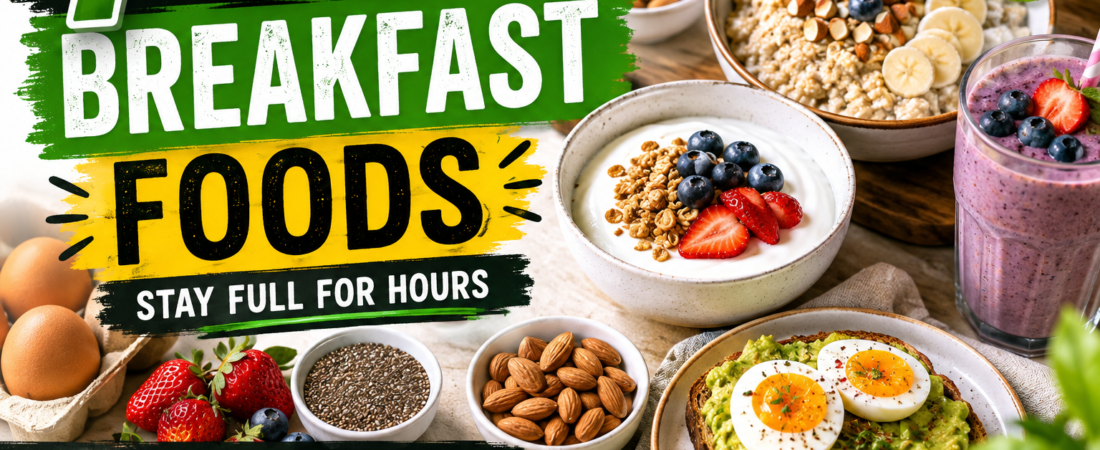
Starting your morning with a protein-rich breakfast can be an easy way to build a more balanced diet and stay satisfied until your next meal.
Instead of relying on sugary cereals or pastries, adding foods that provide protein, fiber and other nutrients can make breakfast more filling.
1. Eggs 🥚
Eggs are an easy source of high-quality protein and provide nutrients including vitamin B12 and choline.
Pair scrambled or boiled eggs with vegetables and whole-grain toast for a simple breakfast.
2. Greek Yogurt 🥣
Greek yogurt typically contains considerably more protein than conventional yogurt.
Try plain Greek yogurt topped with berries, nuts and a small amount of honey for natural sweetness.
3. Cottage Cheese
Cottage cheese is another protein-rich option that works with both sweet and savory ingredients.
Add berries and nuts, or combine it with tomatoes, cucumber and whole-grain toast.
4. Oatmeal 🌾
Oats provide fiber and some protein on their own.
To make oatmeal more protein-rich, prepare it with milk and add Greek yogurt, nuts, seeds or nut butter.
5. Peanut Butter 🥜
Peanut butter provides plant protein and unsaturated fats.
Spread it over whole-grain toast and add banana slices for a quick breakfast.
6. Chia Seeds
Small but nutrient-dense, chia seeds contain fiber, plant protein and omega-3 fatty acids.
They can easily be mixed into yogurt, oatmeal or overnight oats.
7. Protein Smoothie 🍓
A smoothie made with milk or yogurt, fruit and an appropriate protein source can be convenient when you’re short on time.
Avoid loading it with added sugar. Whole fruit can provide sweetness along with fiber and micronutrients.
The Bottom Line
A healthy breakfast doesn’t need to be complicated.
Eggs, Greek yogurt, cottage cheese, oats, nuts, seeds and fruit can form the basis of quick breakfasts that provide protein alongside other important nutrients.
The best choice ultimately depends on your nutritional needs, preferences and overall diet.
Healthy eating is about your overall dietary pattern — not one “perfect” meal.